

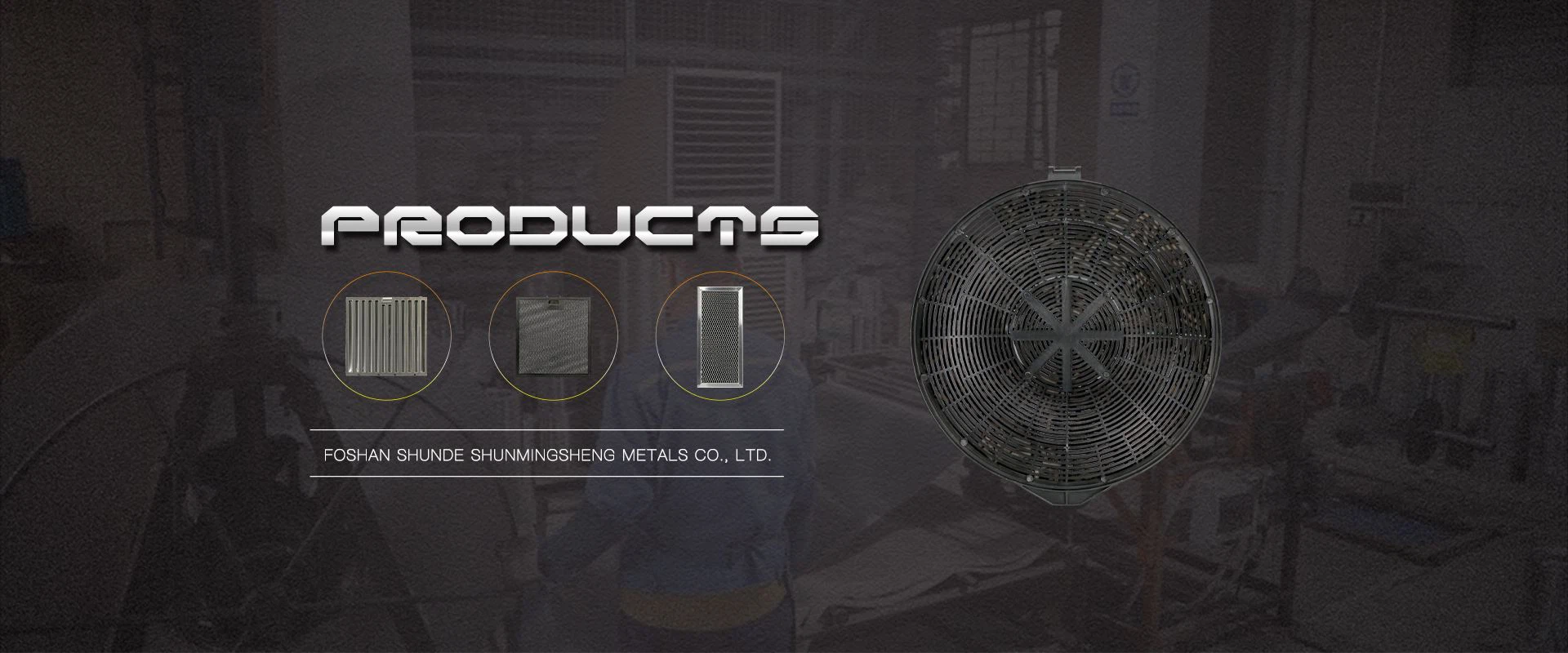
Kitchen Hood Filter
Shunmingsheng: Your Reliable Kitchen Hood Filter Manufacturer!
Foshan Shunmingsheng Metals Co., Ltd is a developer and manufacturer of various filters. Our company was established in 2003. Our main products include air purification filters, photocatalyst filters, HEPA filters, filters, stainless steel baffles, honeycomb filters, etc. These filters support mass production and supply 3-5,000 pieces per month. They have been tested from the injection molding of parts to the whole production process, which ensure delivery within 14 days after receiving the deposit.
Rich Experience
Our team has over 20 years of experience in filter design and production. We have been providing customers with professional product guidance, including installation, cleaning and maintenance skills.
Quality Assurance
All our filters are produced, individually tested and certified in controlled environments in ISO-9001 certified factories and have obtained certifications according to CE, TRBA, BGR, ISO and EN.

Rich Product Range
Our product specifications are diverse, including range hood parts and various activated carbon filters, nano-silver filters, cold catalytic filters, corrugated filters, PP washable filters, which are used in various fields such as homes, restaurants, hotels, etc.
Customized Services
Our filters have a number of innovative patents, and we also provide you with customized services in terms of materials, finishes, coatings and sizes, including OEM orders.
-
![Kitchen Cooker Hood Filter]()
-
![Kitchen Hood Extractor Filter]()
-
![Metal Mesh Filter For Cooker Hood]() Metal Mesh Filter For Cooker HoodThe range hood filter that combines aluminum material and activated carbon foam takes advantage of the benefits of both aluminum and activated carbon.read more
Metal Mesh Filter For Cooker HoodThe range hood filter that combines aluminum material and activated carbon foam takes advantage of the benefits of both aluminum and activated carbon.read more -
![Kitchen Hood Filter Mesh]() Kitchen Hood Filter MeshComponents of kitchen hood filter mesh filtrating mesh: 4Layers,1aluminum surface+ 2 thin aluminum meshes inside+ 1 aluminum undersurface.(custom) customizated kitchen hood filter mesh Service...read more
Kitchen Hood Filter MeshComponents of kitchen hood filter mesh filtrating mesh: 4Layers,1aluminum surface+ 2 thin aluminum meshes inside+ 1 aluminum undersurface.(custom) customizated kitchen hood filter mesh Service...read more -
![kitchen cooker hood filter]() kitchen cooker hood filterModel Number: SMS037read more
kitchen cooker hood filterModel Number: SMS037read more
Frame: Aluminum frame
Layers: Five layer aluminum meshes
Size: 231*309mm or size could be customized -
![kitchen range hood filter]() kitchen range hood filterMaterial: Aluminumread more
kitchen range hood filterMaterial: Aluminumread more
Frame Material: Aluminum Frame with leaf spring
Layers: 5 layers/ 2 aluminum mesh+2 aluminum foil+ 1 carbon cotton
Size: 203*203*9 mm or size could be...


What is Kitchen Hood Filter
Kitchen hood filters are installed over stoves and are designed to capture and remove smoke, grease, and debris to prevent them from getting into the ventilation system. They are usually made from a metal like aluminium or steel, although some can be ceramic or fabric. The three most common types are baffle filter, mesh filter and activated carbon filter. The function of each function is slightly different, but it is to improve air quality. Homes, hospitals, warehouses, and industrial kitchens should make sure to have hood filters for safety and to improve indoor air quality.
Features of Kitchen Hood Filter
Effective Operation
Our range hood filters are composed of durable aluminum mesh, activated carbon cotton, and reinforced carbon fiber sheets, which can effectively absorb harmful smoke and grease and remove odors, and ensure air circulation in the kitchen.
High Compatibility
With a smooth and cleaningn finish, they're compact in structure, which makes the filters easy to use with non-ducted range hoods, microwaves, or other appliances that require odor elimination.
Durable
They are made of high-quality materials such as stainless steel, aluminum, charcoal, meet standards certifications such as UL and NFPA, to own a longer average life expectancy of about 18-24 months.
Easy to Clean
These range hood filters have lightweight construction and you simply remove it and place it in a hood filter soaking solution with a commercial degreaser overnight, or clean it in a standard dishwasher cycle.
Types of Kitchen Hood Filter
Baffle Filters
They trap oil and grease that makes it into your kitchen's atmosphere by passing air through a series of interlocking baffles. The oil sticks to the stainless steel or aluminum interior walls of the range hood, usually congealing into a drip tray or similar disposal method. This method of filtration reduces grease buildup within the range hood itself, making the appliance both efficient and durable. In general, you need to clean this type of filter once every two months, but they're the easiest type of range hood filter to clean.

Mesh
Mesh filters are similar to baffle filters in that they are made from stainless steel or aluminum. Unlike baffle filters, however, mesh filters are in the form of a series of metal wires that create a filter cloth that traps the smoke, oil, and grease that get into your kitchen's air supply. These are one of the most common types of range hood filter in the United States, but they are prone to grease buildup, which means that you need to clean them regularly, usually every two to three months.
Charcoal
Charcoal filters are one of the most convenient ways to filter the air in your kitchen, and because they don't need ductwork, they are the easiest form of range hood to install. They work by drawing contaminated air past one or more filters that are filled with activated charcoal. This charcoal absorbs smoke, grease, and odors, and you can simply throw them into the regular trash once they are spent.
Benefits of Kitchen Hood Filter
Efficient Grease Filtration
Hood filters are perfect for a wide range of kitchen cooking applications and offers some of the most efficient single-state grease filtration you can find. They provide as much as four times the grease capture than standard baffle filters and significantly reduces fats, oils, and grease buildup in your ductwork.
The grease extraction fractional efficiency of our filters is an impressive 90% of grease particles at a mere seven microns in size, and 75% at only five microns in size when tested at the recommended airflow.
Unique Design
The secret to the powerful grease extraction capabilities of the Hood Filter is in its unique design. They have a one-of-a-kind S-shaped baffle design that optimizes the removal and drainage of the larger grease particles.
The narrow S-shaped baffles are closely spaced together in vertical rows and one side. The other side of the filter features a slotted rear baffle design with larger, horizontal baffles that are more spread out. Working together, the two sides deliver exceptionally efficient grease filtration.
Reduced Risk of Fire
One of the best benefits of using Hood Filters is reducing your risk of fire. In addition to helping keep fats, oils, and grease out of your ductwork, exhaust system, and even your roof, the self-draining design also helps reduce fire risk by making sure that any oil or grease that collects on the surface of the filter does not fall back down onto the cooking surface.
Using a hood filter will limit the projection of flames downstream both when the area is exposed to flame on the upstream face as well as in situations where the area is overloaded with grease-rich exhaust. It can even be used as a spark arrestor grease filter for cooking applications with tall flames generated by solid fuel cooking operations. Using a filter minimizes the passage of airborne sparks and embers into plenums and ducts.
Heavy Duty Construction
Hood Filters are constructed of 430 stainless steel, which has excellent corrosion resistance under the harshest of conditions. It also has great resistance to oxidation at elevated temperatures. Offering the best of both worlds, the filter is both strong and lightweight. It is built to handle commercial use and handling. Plus, it has a very attractive and shiny finish that looks great in open kitchen designs.
Factors to Consider When Choose Kitchen Hood Filter
Hood filters are the most popular choice for commercial kitchens, as they are durable, easy to clean, and long-lasting. When it comes to how to choose a hood filter, there are several factors to consider.
The Thickness of the Filter
Thicker filters are more durable and have a longer lifespan, but may be more difficult to clean. Thinner filters are easier to clean but may need to be replaced more frequently.
The Spacing between the Filter Wires
The Spacing between the Filter Wires
The spacing will affect the capture rate for grease and smoke. Filters with wider spacing will capture less grease and smoke, while filters with narrower spacing will capture more.
The Type of Material Used in the Filter
High-quality metal will be more durable and resistant to corrosion, which is important in a commercial kitchen environment. With these factors in mind, you can choose a hood filter that will meet the needs of your commercial kitchen and keep your employees and customers safe.

How to Clean Kitchen Hood Filters
It is really very important for you to make sure that the kitchen hood filter is frequently cleaned and maintained properly. All of your kitchen’s hood filters see a lot of activity that is going on in your kitchen. Dirty hood filters will make your kitchen unsafe in many terms. It can be a serious fire hazard, they can cause the kitchen to have exceptionally smoky air and excessive heat and strain on the exhaust system that leads to severely poor air quality. You should always keep your kitchen hood filters clean in order to keep the hood filter clean and properly maintained and to make it work more efficiently, reduce utility costs, and extend its life.
Following is the proper way that lets you clean the hood filter properly.
(1)You can wash your hood filters by using soft sponges and warm water with soap in order to remove the grease and dirt.
(2)You should never use tough chemicals in the hood filter cleaning process, as they can cause decay of the metal used in the making of hood filters.
(3)Another option for faster, easier cleaning of the hood filter is to put the parts into the dishwasher and get it cleaned in a proper way and quickly.
(4)Soak Tank can also be one of the options. Investing in a soak tank is another option that cuts out the time and labour involved with manual cleaning. Simply fill up the tank with water, then add non-corrosive and metal-safe cleaner, and let the filters soak overnight. The next day, take the filters out, rinse, and they are ready to use
(5)To ensure the hood filter is working properly, maintenance service should be performed on it at regularly scheduled intervals several times each year by a trained professional
The Reasons of Changing Hood Filters
It is vital that restaurants and commercial kitchens take proper care of their hoods. This is so important because hoods suck out the exhaust and end up trapping grease, which can cause a fire. Changing the filters and regular hood cleaning will help to ensure your kitchen remains safe and clean. There are many reasons to regularly swap out the hood filters in your kitchen. Here are some of the benefits of changing your hood filters.
Effective Removal of Smoke: New or clean filters will help smoke pass through the hood easier. When your hood filters get old, they can cause smoke to remain in the kitchen, which can be very dangerous. Without the effective removal of smoke, you can run into all types of issues.
Keeps Dirty Oil Out of Food: Your food is your livelihood and it needs to be protected at all costs. When grease from the hoods drips into edible materials, the food will not taste nearly as good and can cause severe health issues. Regular hood cleaning will help, but changing the filters is also necessary.
Avoid Grease Build Up: If your filters are not doing the job they are intended to do, you may see grease begin to build up in your kitchen and canopy. This can cause many issues in your kitchen and may even become a fire hazard.
Help Keep Fire Out of the Exhaust Duct: Kitchen equipment can catch on fire in seconds. If the filters are clean, you won’t need to worry about fire passing through to the duct system as easily. Filters that are full of grease can effortlessly catch on fire and cause even bigger issues.
Avoid Sinks Getting Backed Up: When you try to clean hood filters on your own, it can cause the dishwasher or the sinks to become blocked. The grease will build up in the drains and cause a variety of problems. By exchanging the filters or having someone clean them for you, this won’t be an issue.
Certificate Photo

FAQ
Q: What does a kitchen filter do?
Q: What are the different types of kitchen hood filters?
Q: What is carbon filter in kitchen hood?
Q: How does a hood filter work?
Q: How often should hood filters be cleaned?
Q: Do all cooker hoods need a carbon filter?
Q: How long do cooker hood filters last?
Q: Which is better carbon or charcoal filter?
Q: What are kitchen hood filters made of?
Q: What is the best filter for a hood?
Q: Can hood filters be washed?
Q: Why is it important to clean hood filters?
Q: Can I use filter and hood at the same time?
Q: What is the filter under the hood called?
Q: Do stove hoods have filters?
Q: What is the disadvantage of charcoal filter?
Q: Which is better a HEPA filter or a charcoal filter?
Q: Which is better HEPA filter or carbon filter?
Q: Can I wash carbon filter?
Q: Does a carbon filter remove grease?
As one of the leading kitchen hood filter manufacturers in China, we warmly welcome you to buy high-grade kitchen hood filter for sale here from our factory. All customized products are with high quality and low price. For free sample, contact us now.
Hexagon Plastic Handle Kitchen Air Range Hood Parts Filter, Range Hood Grease Filter Replacement Parts, Pentagon Carbon Cotton Cooker Range Hood Filter