

As a supplier of surface stainless steel filters, I understand the significance of preventing surface erosion - corrosion on these crucial components. Stainless steel filters are widely used in various industries, including chemical processing, food and beverage, and air purification, due to their excellent corrosion resistance and durability. However, over time, they can still be subject to erosion - corrosion, which can compromise their performance and lifespan. In this blog, I will share some effective strategies to prevent surface erosion - corrosion on stainless steel filters.
Understanding Erosion - Corrosion
Erosion - corrosion is a complex phenomenon that combines the mechanical action of fluid flow (erosion) with the chemical or electrochemical reaction (corrosion). When a fluid containing solid particles or gas bubbles flows over the surface of a stainless steel filter, it can cause the removal of the protective passive film on the steel surface. Once the passive film is damaged, the underlying metal is exposed to the corrosive environment, leading to accelerated corrosion. The severity of erosion - corrosion depends on several factors, such as the fluid velocity, particle size and concentration, temperature, and the chemical composition of the fluid.
Material Selection
The first step in preventing erosion - corrosion is to select the right grade of stainless steel for the filter. Different grades of stainless steel have different levels of corrosion resistance, which are mainly determined by their alloying elements. For example, austenitic stainless steels, such as 304 and 316, are commonly used in filter applications due to their good corrosion resistance in many environments. However, if the filter is exposed to highly corrosive fluids or high - velocity flows, a more corrosion - resistant grade, such as duplex stainless steel, may be a better choice. Duplex stainless steels have a two - phase microstructure (ferrite and austenite), which provides excellent resistance to both erosion and corrosion.

Surface Treatment
Proper surface treatment can significantly enhance the erosion - corrosion resistance of stainless steel filters. One of the most common surface treatments is passivation. Passivation is a chemical process that removes free iron from the surface of the stainless steel and promotes the formation of a thicker and more stable passive film. This passive film acts as a barrier between the metal and the corrosive environment, preventing the onset of corrosion. Another surface treatment option is coating. There are various types of coatings available, such as ceramic coatings, polymer coatings, and metallic coatings. These coatings can provide an additional layer of protection against erosion and corrosion. For example, ceramic coatings have high hardness and wear resistance, which can effectively reduce the impact of solid particles on the filter surface.
Design Optimization
The design of the stainless steel filter also plays an important role in preventing erosion - corrosion. A well - designed filter should minimize the fluid velocity and turbulence at the filter surface. High fluid velocity can increase the impact force of solid particles on the filter, leading to more severe erosion. By optimizing the filter geometry, such as using a larger filter area or a more streamlined shape, the fluid velocity can be reduced. Additionally, the filter should be designed to avoid areas of stagnant flow, as stagnant fluids can accumulate corrosive substances and cause localized corrosion.
Fluid Management
Managing the properties of the fluid flowing through the filter is another effective way to prevent erosion - corrosion. This includes controlling the fluid velocity, temperature, pH, and the concentration of corrosive substances. For example, reducing the fluid velocity can decrease the impact force of solid particles on the filter surface. Maintaining the fluid temperature within a suitable range can also prevent the breakdown of the passive film on the stainless steel surface. Adjusting the pH of the fluid to a less corrosive level can further enhance the corrosion resistance of the filter. In some cases, adding corrosion inhibitors to the fluid can also be an effective measure. Corrosion inhibitors are chemicals that can adsorb on the metal surface and form a protective layer, preventing corrosion.
Regular Inspection and Maintenance
Regular inspection and maintenance are essential for ensuring the long - term performance of stainless steel filters. By inspecting the filter regularly, any signs of erosion - corrosion can be detected early, and appropriate measures can be taken to prevent further damage. During the inspection, the surface condition of the filter should be carefully examined for signs of pitting, cracking, or material loss. If any damage is found, the filter should be repaired or replaced in a timely manner. Additionally, regular cleaning of the filter can remove any accumulated debris or corrosive substances on the surface, which can help to maintain the integrity of the passive film.
Applications of Stainless Steel Filters
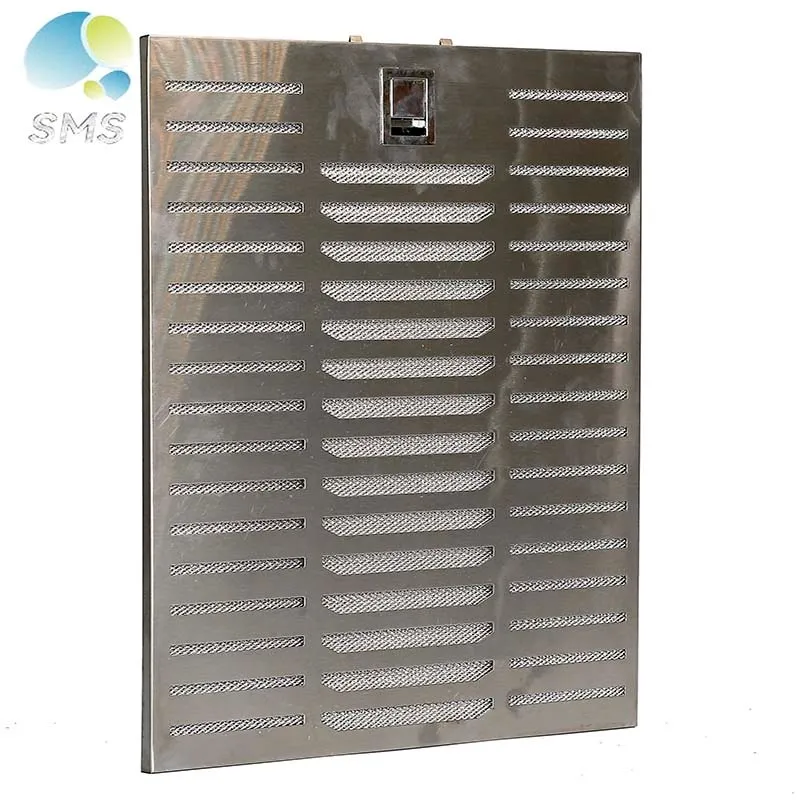
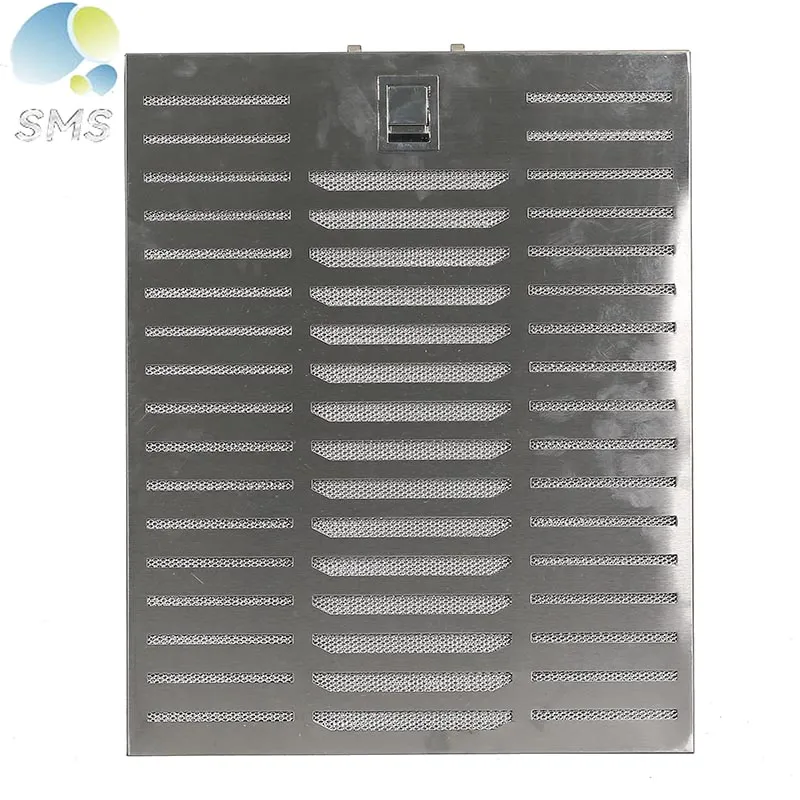
Stainless steel filters are used in a wide range of applications. For example, stainless filter screen is often used in water treatment plants to remove impurities from water. These screens are designed to have a specific hole size to allow only the desired particles to pass through. Stainless Steel Air Filter is another important application, which is used in HVAC systems to purify the air by removing dust, pollen, and other contaminants. Stainless Steel Filtration Mesh is widely used in the food and beverage industry to filter out solid particles during the production process, ensuring the quality and safety of the final products.
Conclusion
Preventing surface erosion - corrosion on stainless steel filters is crucial for maintaining their performance and extending their lifespan. By selecting the right material, applying appropriate surface treatments, optimizing the filter design, managing the fluid properties, and conducting regular inspection and maintenance, the risk of erosion - corrosion can be significantly reduced. As a surface stainless steel filter supplier, I am committed to providing high - quality filters and sharing professional knowledge to help our customers solve their filtration problems. If you are interested in our products or have any questions about preventing erosion - corrosion on stainless steel filters, please feel free to contact us for procurement and further discussion.
References
- Fontana, M. G. (1986). Corrosion Engineering. McGraw - Hill.
- Uhlig, H. H., & Revie, R. W. (1985). Corrosion and Corrosion Control. Wiley - Interscience.
-ASM Handbook, Volume 13A: Corrosion: Fundamentals, Testing, and Protection. ASM International.