

Galvanic corrosion is a common issue that can significantly affect the performance and lifespan of stainless steel filters. As a reliable surface stainless steel filter supplier, I understand the importance of preventing this type of corrosion. In this blog, I will share some key strategies on how to prevent surface galvanic corrosion on a stainless steel filter.
Understanding Galvanic Corrosion
Galvanic corrosion occurs when two dissimilar metals are in electrical contact in the presence of an electrolyte. The less noble metal (anode) corrodes preferentially, while the more noble metal (cathode) remains relatively unaffected. In the case of stainless steel filters, galvanic corrosion can happen when the filter comes into contact with other metals, such as carbon steel or copper, in a moist or corrosive environment.
When these two metals are connected in an electrolyte, such as water or a salt solution, an electrochemical reaction takes place. The anode metal releases electrons, which flow to the cathode metal through the electrical connection. This flow of electrons causes the anode metal to dissolve, leading to corrosion.
Factors Affecting Galvanic Corrosion on Stainless Steel Filters
Several factors can influence the occurrence and severity of galvanic corrosion on stainless steel filters. Understanding these factors is crucial for implementing effective prevention measures.
Metal Combination
The choice of metals in contact with the stainless steel filter plays a significant role in galvanic corrosion. The greater the difference in electrode potential between the two metals, the more likely galvanic corrosion will occur. For example, if a stainless steel filter is in contact with a piece of carbon steel in a moist environment, the carbon steel will act as the anode and corrode rapidly.
Electrolyte
The presence of an electrolyte is essential for galvanic corrosion to occur. Electrolytes can be water, salt solutions, acids, or alkalis. The conductivity of the electrolyte affects the rate of corrosion. A more conductive electrolyte will increase the flow of electrons between the anode and cathode, accelerating the corrosion process.
Surface Area Ratio
The ratio of the surface area of the anode to the cathode can also impact galvanic corrosion. When the anode has a smaller surface area compared to the cathode, the corrosion rate at the anode is higher. This is because the same amount of current is concentrated on a smaller area, leading to more rapid metal dissolution.
Environmental Conditions
The environmental conditions in which the stainless steel filter is used can significantly affect galvanic corrosion. High humidity, temperature, and the presence of corrosive gases or chemicals can all increase the likelihood and severity of corrosion.
Prevention Strategies
Selecting Compatible Metals
One of the most effective ways to prevent galvanic corrosion is to select compatible metals for use with the stainless steel filter. When possible, avoid using metals with a large difference in electrode potential. For example, if you need to use a fastener to attach the filter, choose a stainless steel fastener rather than a carbon steel one.
If it is necessary to use dissimilar metals, consider using an insulating material to separate them. This can prevent electrical contact and reduce the risk of galvanic corrosion. For instance, you can use plastic washers or gaskets between the filter and other metal components.
Coating and Plating
Applying a protective coating or plating to the stainless steel filter or the contacting metal can create a barrier that prevents direct contact between the metals and the electrolyte. There are several types of coatings available, including paint, epoxy, and zinc plating.
Paint coatings can provide a good decorative finish while also protecting against corrosion. Epoxy coatings are more durable and can offer better resistance to chemicals and abrasion. Zinc plating, also known as galvanizing, is a common method for protecting steel components. It forms a sacrificial layer that corrodes instead of the underlying metal.
Proper Installation and Maintenance
Proper installation and maintenance practices are essential for preventing galvanic corrosion on stainless steel filters. During installation, ensure that the filter is correctly installed and that all connections are tight. Loose connections can create gaps where moisture and electrolytes can accumulate, increasing the risk of corrosion.
Regular maintenance can help detect and address early signs of corrosion. Inspect the filter periodically for any signs of rust or damage. If corrosion is detected, take immediate action to clean and repair the affected area. This may involve removing the corroded material, applying a protective coating, or replacing the damaged component.
Controlling the Environment
Controlling the environment in which the stainless steel filter is used can also help prevent galvanic corrosion. Keep the filter dry and avoid exposing it to high humidity or corrosive substances. If the filter is used in a wet or corrosive environment, consider using a ventilation system to reduce moisture levels and remove corrosive gases.
In addition, ensure that the filter is not exposed to direct contact with chemicals or pollutants. If necessary, use a protective cover or enclosure to shield the filter from the environment.
Case Studies
Let's look at some real-world case studies to illustrate the importance of preventing galvanic corrosion on stainless steel filters.
Case Study 1: Stainless Steel Oil Filter
A manufacturing plant was experiencing frequent failures of its stainless steel oil filters. The filters were in contact with carbon steel pipes in the oil filtration system. Over time, galvanic corrosion occurred at the contact points, causing the filters to rust and lose their effectiveness.
To solve the problem, the plant replaced the carbon steel pipes with stainless steel pipes. They also applied a corrosion-resistant coating to the filters. As a result, the filters' lifespan increased significantly, and the maintenance costs were reduced.
Case Study 2: Grease Baffle Filters
A restaurant kitchen was facing issues with its grease baffle filters. The filters were made of stainless steel but were installed using copper screws. In the humid and greasy environment of the kitchen, galvanic corrosion occurred, causing the filters to corrode and develop holes.
The restaurant replaced the copper screws with stainless steel screws and cleaned the filters regularly to remove grease and moisture. This prevented further galvanic corrosion and ensured the filters continued to function effectively.
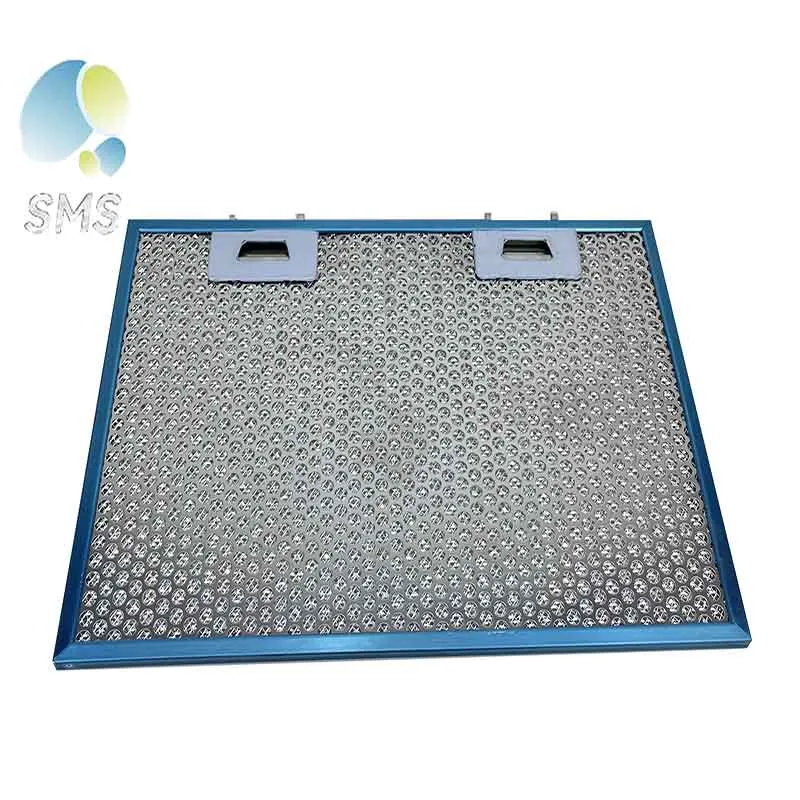
Case Study 3: Kitchen Exhaust Hood Filters
A commercial kitchen had problems with its kitchen exhaust hood filters. The filters were in contact with aluminum frames, and due to the difference in electrode potential, galvanic corrosion took place. The corrosion not only affected the appearance of the filters but also reduced their filtration efficiency.
The kitchen replaced the aluminum frames with stainless steel frames and installed a ventilation system to keep the area dry. This effectively prevented galvanic corrosion and prolonged the life of the filters.
Conclusion
Galvanic corrosion can be a serious problem for stainless steel filters, reducing their performance and lifespan. By understanding the factors that contribute to galvanic corrosion and implementing effective prevention strategies, such as selecting compatible metals, applying coatings, proper installation and maintenance, and controlling the environment, you can significantly reduce the risk of corrosion.
As a surface stainless steel filter supplier, I am committed to providing high-quality filters and sharing knowledge on how to maintain and protect them. If you are looking for reliable stainless steel filters or need more information on preventing galvanic corrosion, I would be glad to assist you. Feel free to contact me to discuss your specific requirements and explore the best solutions for your needs.

References
- Fontana, M. G. (1986). Corrosion Engineering. McGraw-Hill.
- Uhlig, H. H., & Revie, R. W. (1985). Corrosion and Corrosion Control. Wiley.
- Jones, D. A. (1996). Principles and Prevention of Corrosion. Prentice Hall.