

What are the certifications for high - quality stainless steel filter mesh?
As a seasoned supplier of stainless steel filter mesh, I've witnessed firsthand the pivotal role that certifications play in distinguishing high - quality products from the rest. In the complex world of filtration, where precision and reliability are non - negotiable, certifications act as a seal of approval, assuring customers that the filter mesh they're purchasing meets stringent industry standards.
1. ISO Certifications
The International Organization for Standardization (ISO) offers a range of certifications that are highly regarded in the global market. ISO 9001 is one such certification that focuses on quality management systems. A stainless steel filter mesh supplier with ISO 9001 certification demonstrates a commitment to consistent quality in all aspects of production, from raw material sourcing to the final product delivery. This means that every step of the manufacturing process is carefully monitored and controlled, reducing the likelihood of defects and ensuring that the filter mesh meets or exceeds customer expectations.
ISO 14001 is another important certification, which pertains to environmental management. In today's eco - conscious world, customers are increasingly concerned about the environmental impact of the products they buy. A filter mesh supplier with ISO 14001 certification has implemented an effective environmental management system. This could involve reducing waste, conserving energy, and using sustainable manufacturing practices. For instance, the supplier might recycle scrap stainless steel or use energy - efficient production equipment. By choosing a supplier with ISO 14001 certification, customers can be confident that they're supporting environmentally responsible manufacturing.
2. ASTM Standards
The American Society for Testing and Materials (ASTM) has developed a series of standards for stainless steel materials. These standards are widely recognized in the industry for ensuring the quality and performance of stainless steel products, including filter mesh. ASTM A240, for example, is a standard specification for stainless steel plate, sheet, and strip. It defines the chemical composition, mechanical properties, and other requirements for different grades of stainless steel. When a filter mesh is made from stainless steel that meets ASTM A240 standards, it guarantees a certain level of corrosion resistance, strength, and durability.
ASTM E168 is a standard test method for spectrophotometric identification of organic compounds. This test can be used to analyze the surface finish and composition of the stainless steel filter mesh. By adhering to ASTM E168, suppliers can ensure that the filter mesh has the correct surface characteristics, which are crucial for its filtration efficiency. For example, a smooth surface finish can prevent particles from sticking to the mesh, improving the overall filtration performance.
3. FDA Certification
For applications in the food and beverage industry, FDA (Food and Drug Administration) certification is essential. The FDA sets strict guidelines for materials that come into contact with food. A stainless steel filter mesh with FDA certification is made from materials that are safe for use in food processing and handling. This means that the filter mesh will not leach harmful substances into the food, ensuring the safety and quality of the final product.
In the food industry, filter meshes are used for various purposes, such as separating solids from liquids, removing impurities, and ensuring a consistent product quality. For example, in a brewery, a stainless steel filter mesh can be used to filter out yeast and other particles from the beer. A filter mesh with FDA certification gives brewers the confidence that the filtration process will not contaminate the beer and that it meets all regulatory requirements.
4. Certifications for Specific Applications
In addition to the general certifications mentioned above, there are also certifications for specific applications of stainless steel filter mesh.
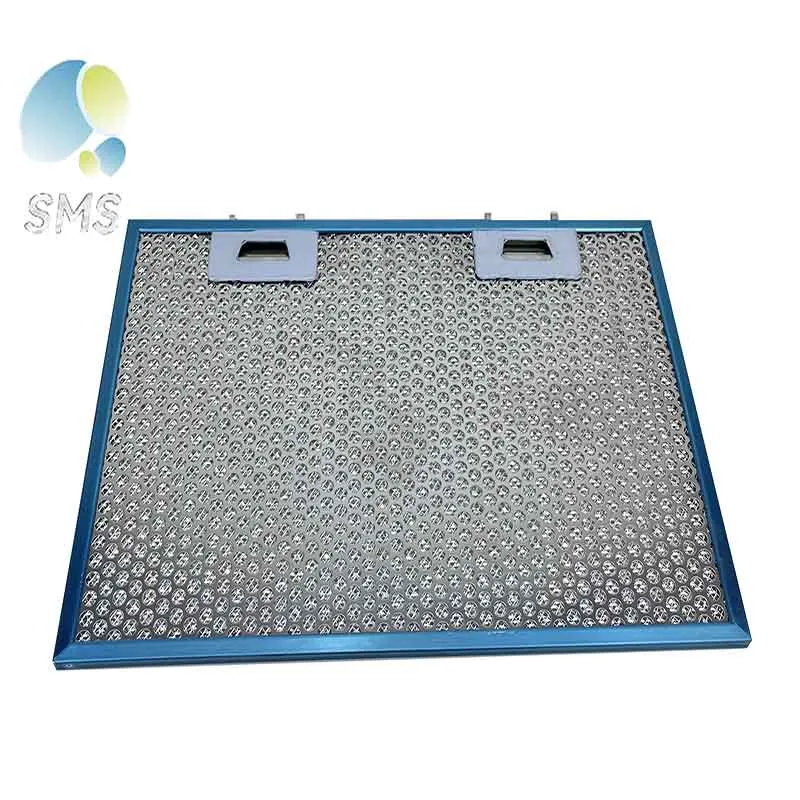
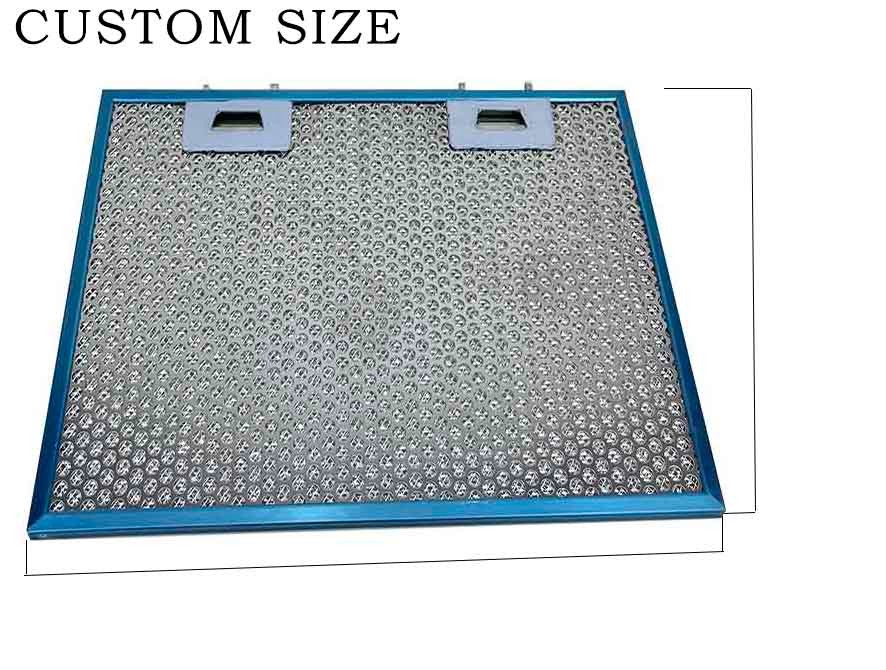
- Hood Baffle Filter Certification: Hood baffle filters are commonly used in commercial kitchens to capture grease and other particles from the exhaust air. The Hood Baffle Filter should meet certain fire - safety and filtration efficiency standards. For example, some certifications require that the filter can withstand high temperatures without melting or catching fire, and that it can effectively remove a certain percentage of grease particles from the air.
- Stainless Steel Oil Filter Certification: In automotive and industrial applications, Stainless Steel Oil Filters are used to remove contaminants from engine oil. These filters need to meet standards related to filtration efficiency, pressure drop, and durability. Certifications for stainless steel oil filters ensure that they can effectively trap dirt, metal particles, and other impurities, while maintaining a proper oil flow rate.
- Kitchen Exhaust Hood Filters Certification: Kitchen Exhaust Hood Filters play a crucial role in maintaining a clean and safe kitchen environment. They should be certified to meet standards for grease capture, airflow, and ease of cleaning. A certified kitchen exhaust hood filter can help prevent grease buildup in the ventilation system, reducing the risk of fire and improving the overall air quality in the kitchen.
5. The Importance of Certifications for Customers
For customers, certifications are not just pieces of paper; they are a guarantee of quality, safety, and performance. When purchasing stainless steel filter mesh, customers should always look for products with relevant certifications. Certifications provide peace of mind, knowing that the filter mesh has been rigorously tested and meets industry - recognized standards.
Certified filter meshes are more likely to have a longer lifespan, better filtration efficiency, and fewer maintenance requirements. This can result in cost savings for customers in the long run. For example, a high - quality, certified filter mesh may require less frequent replacement, reducing both the purchase cost and the downtime associated with filter changes.
6. Our Commitment as a Supplier
As a stainless steel filter mesh supplier, we are committed to obtaining and maintaining all the necessary certifications for our products. We understand that certifications are a testament to our dedication to quality and customer satisfaction. Our team of experts ensures that every batch of filter mesh we produce meets or exceeds the relevant standards.
We also stay up - to - date with the latest industry regulations and standards, constantly improving our manufacturing processes to meet the changing requirements. By choosing our certified stainless steel filter mesh, customers can be confident that they're getting a product that is reliable, efficient, and safe for their specific applications.
If you're in the market for high - quality stainless steel filter mesh, we invite you to reach out to us for more information. Whether you need a Hood Baffle Filter, a Stainless Steel Oil Filter, or a Kitchen Exhaust Hood Filter, our team is ready to assist you. We can provide detailed product specifications, certification details, and pricing information. Contact us today to start a discussion about your filtration needs and explore how our certified stainless steel filter mesh can meet your requirements.
References
- International Organization for Standardization (ISO). ISO 9001:2015 Quality management systems — Requirements.
- International Organization for Standardization (ISO). ISO 14001:2015 Environmental management systems — Requirements with guidance for use.
- American Society for Testing and Materials (ASTM). ASTM A240/A240M - 22 Standard Specification for Chromium and Chromium - Nickel Stainless Steel Plate, Sheet, and Strip for Pressure Vessels and for General Applications.
- American Society for Testing and Materials (ASTM). ASTM E168 - 19 Standard Practice for General Techniques of Infrared Quantitative Analysis.
- U.S. Food and Drug Administration (FDA). Code of Federal Regulations, Title 21, Parts 170 - 199.