

Surface passivation is a crucial process in the production of stainless steel filters, which has a profound impact on their performance, durability, and overall quality. As a leading supplier of surface stainless steel filters, I have witnessed firsthand the transformative effects of surface passivation on these essential filtration components. In this blog post, I will delve into the role of surface passivation in a stainless steel filter, exploring its benefits, processes, and implications for various applications.
Understanding Surface Passivation
Surface passivation is a chemical treatment process that enhances the corrosion resistance of stainless steel by forming a thin, protective oxide layer on its surface. This oxide layer acts as a barrier, preventing the underlying metal from reacting with corrosive agents such as oxygen, moisture, and chemicals. In the case of stainless steel filters, surface passivation is particularly important because they are often exposed to harsh environments, including high temperatures, humidity, and corrosive substances.
The passivation process typically involves immersing the stainless steel filter in a solution containing nitric acid or citric acid. These acids react with the surface of the stainless steel, removing any free iron or other contaminants that may be present. This cleaning step is essential because free iron can act as a catalyst for corrosion, leading to the formation of rust and other forms of degradation.
Once the surface is clean, the acid solution promotes the formation of a chromium-rich oxide layer on the stainless steel surface. Chromium is a key element in stainless steel, and it has a strong affinity for oxygen. When exposed to oxygen, chromium forms a thin, stable oxide layer that is highly resistant to corrosion. This oxide layer is self-healing, meaning that if it is damaged, it can quickly reform in the presence of oxygen.
Benefits of Surface Passivation in Stainless Steel Filters
The primary benefit of surface passivation in stainless steel filters is improved corrosion resistance. By forming a protective oxide layer on the surface, passivation helps to prevent the filter from rusting and corroding, even in harsh environments. This is particularly important for filters used in industrial applications, such as chemical processing, food and beverage production, and wastewater treatment, where they may be exposed to corrosive chemicals and high levels of moisture.
In addition to corrosion resistance, surface passivation can also enhance the filter's mechanical properties. The protective oxide layer can help to reduce friction and wear, improving the filter's durability and lifespan. This is especially important for filters that are subjected to high levels of stress or abrasion, such as those used in high-pressure filtration systems or in applications where the filter media is in contact with solid particles.
Another benefit of surface passivation is improved cleanliness. By removing free iron and other contaminants from the surface of the stainless steel filter, passivation helps to prevent the growth of bacteria and other microorganisms. This is particularly important for filters used in the food and beverage industry, where hygiene is of utmost importance. A clean filter surface can also help to prevent the accumulation of dirt and debris, which can reduce the filter's efficiency and performance.
Applications of Surface Passivated Stainless Steel Filters
Surface passivated stainless steel filters are used in a wide range of applications, including:
- Industrial Filtration: In industrial settings, stainless steel filters are used to remove impurities from liquids and gases. Surface passivation helps to ensure that the filters can withstand the harsh conditions of industrial environments, such as high temperatures, corrosive chemicals, and high levels of pressure.
- Food and Beverage Industry: Stainless steel filters are commonly used in the food and beverage industry to remove particles, bacteria, and other contaminants from liquids and gases. Surface passivation helps to ensure that the filters are hygienic and can meet the strict regulatory requirements of the industry.
- HVAC Systems: In heating, ventilation, and air conditioning (HVAC) systems, stainless steel filters are used to remove dust, pollen, and other airborne particles from the air. Surface passivation helps to prevent the filters from corroding and rusting, ensuring that they can provide efficient filtration over a long period of time.
- Automotive Industry: Stainless steel filters are used in automotive applications, such as oil filters, air filters, and fuel filters. Surface passivation helps to improve the filters' corrosion resistance and durability, ensuring that they can withstand the harsh conditions of the automotive environment.
The Impact of Surface Passivation on Filter Performance
Surface passivation can have a significant impact on the performance of stainless steel filters. By improving corrosion resistance, passivation helps to maintain the integrity of the filter over time, ensuring that it can continue to provide efficient filtration. This is particularly important for applications where the filter is exposed to harsh environments or where the consequences of filter failure can be severe.

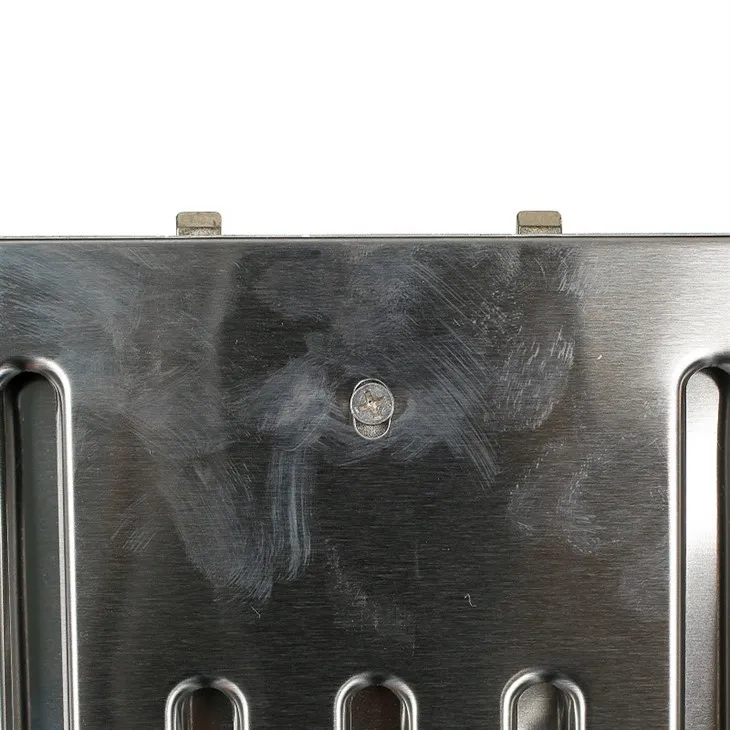
In addition to corrosion resistance, surface passivation can also affect the filter's flow rate and pressure drop. A clean, passivated surface can reduce friction and turbulence, allowing the fluid or gas to flow more easily through the filter. This can result in a higher flow rate and a lower pressure drop, which can improve the overall efficiency of the filtration system.
Furthermore, surface passivation can help to prevent the formation of biofilms on the filter surface. Biofilms are colonies of microorganisms that can grow on the surface of the filter, reducing its efficiency and increasing the risk of contamination. By preventing the growth of biofilms, passivation helps to maintain the cleanliness of the filter and ensure that it can provide high-quality filtration.
Our Products and Their Passivation Advantages
As a supplier of surface stainless steel filters, we offer a wide range of products, including universal cooker hood filter, Hood Baffle Filter, and Baffle Filter Range Hood. Our filters are manufactured using high-quality stainless steel and are subjected to a rigorous passivation process to ensure optimal performance and durability.
Our passivation process is carefully controlled to ensure that the protective oxide layer is uniform and consistent across the entire surface of the filter. This helps to provide maximum corrosion resistance and performance, even in the most demanding applications. In addition, our filters are tested to meet or exceed industry standards, ensuring that they can provide reliable filtration in a wide range of environments.
Conclusion
In conclusion, surface passivation plays a vital role in the performance and durability of stainless steel filters. By forming a protective oxide layer on the surface, passivation helps to improve corrosion resistance, enhance mechanical properties, and maintain the cleanliness of the filter. This can result in a longer lifespan, better performance, and reduced maintenance costs for the filtration system.
If you are in the market for high-quality stainless steel filters, we invite you to contact us to discuss your specific requirements. Our team of experts can help you select the right filter for your application and provide you with detailed information about our passivation process and its benefits. We look forward to the opportunity to work with you and provide you with the best filtration solutions for your needs.
References
- ASM Handbook, Volume 13A: Corrosion: Fundamentals, Testing, and Protection. ASM International, 2003.
- Stainless Steel Passivation: A Guide to Best Practices. ASTM International, 2016.
- The Effects of Surface Passivation on the Performance of Stainless Steel Filters. Journal of Filtration Science and Technology, Vol. 25, No. 3, 2018.