

Introduction
You probably use your microwave every day - to reheat last night's dinner, thaw ingredients, or throw something together quickly. Because it's such a familiar appliance, you rarely notice the small parts that keep it running. One of those quiet helpers is the filter.
Most people only spot Microwave Filters when something goes wrong: a greasy patch under the unit or a smell that lingers. Easy to miss, yes - but they do important, practical work. They keep the appliance cleaner and help the ventilation system perform as it should.
Cooking sends more than heat into the air. Steam, smoke, and tiny oil droplets rise whenever you heat, fry, or broil food. The vent fan pulls that air up; if nothing intercepts those particles, grease can slip into vents and settle inside the unit.
Left unchecked, that residue builds up, slows airflow, and turns simple upkeep into a messy chore.
That's why many manufacturers include Microwave Filters, particularly in over-the-range models that double as range hoods. Filters trap grease and cut down odors before the air moves deeper into the vent system.
A quick look every few months - a rinse for metal filters or swapping a charcoal cartridge - keeps the microwave running smoothly and your kitchen smelling fresher.

What Is a Microwave Oven Filter
A microwave oven filter is a removable part positioned inside the appliance's ventilation path. Its purpose is fairly straightforward: it captures grease and small airborne particles produced during cooking.
When the microwave's internal fan is operating, the moving air is directed through the filter before it continues into the rest of the ventilation pathway. During this step, Microwave Filters catch grease droplets and other small particles, stopping them from reaching internal components where buildup could occur.
In many microwave designs, the filter is placed underneath the appliance or hidden behind a small vent panel. The placement allows you to access it quickly. Most manufacturers also design the filter so it can slide out easily, making cleaning or replacement straightforward and tool-free.
Even though the filter appears to be a basic part, it still carries out several important functions:
- Traps grease released during cooking
- Allows air to continue moving through the vent system
- Helps limit the spread of cooking odors
- Protects internal microwave components
Without a filter, grease particles can settle inside ducts or coat fan blades. Once that happens, the residue is much harder to remove. Because of this, Microwave Filters are treated as routine maintenance parts rather than permanent fixtures.

Common Types of Microwave Filters
Not every microwave uses the same type of filter. The design usually depends on how the appliance handles ventilation.
Some models vent air outside the home, while others recirculate air back into the kitchen. Different filter types are used to support these systems.
Microwave Filter Comparison
|
Filter Type |
Main Function |
Maintenance |
Comparative Advantage |
|
Metal Grease Filter |
Captures airborne grease particles |
Washable and reusable |
Long service life |
|
Charcoal Filter |
Absorbs cooking odors |
Replace periodically |
Effective odor removal |
|
Recirculation Filter |
Cleans air before releasing it back |
Clean or replace depending on design |
Improves indoor air quality |
Metal Grease Filters
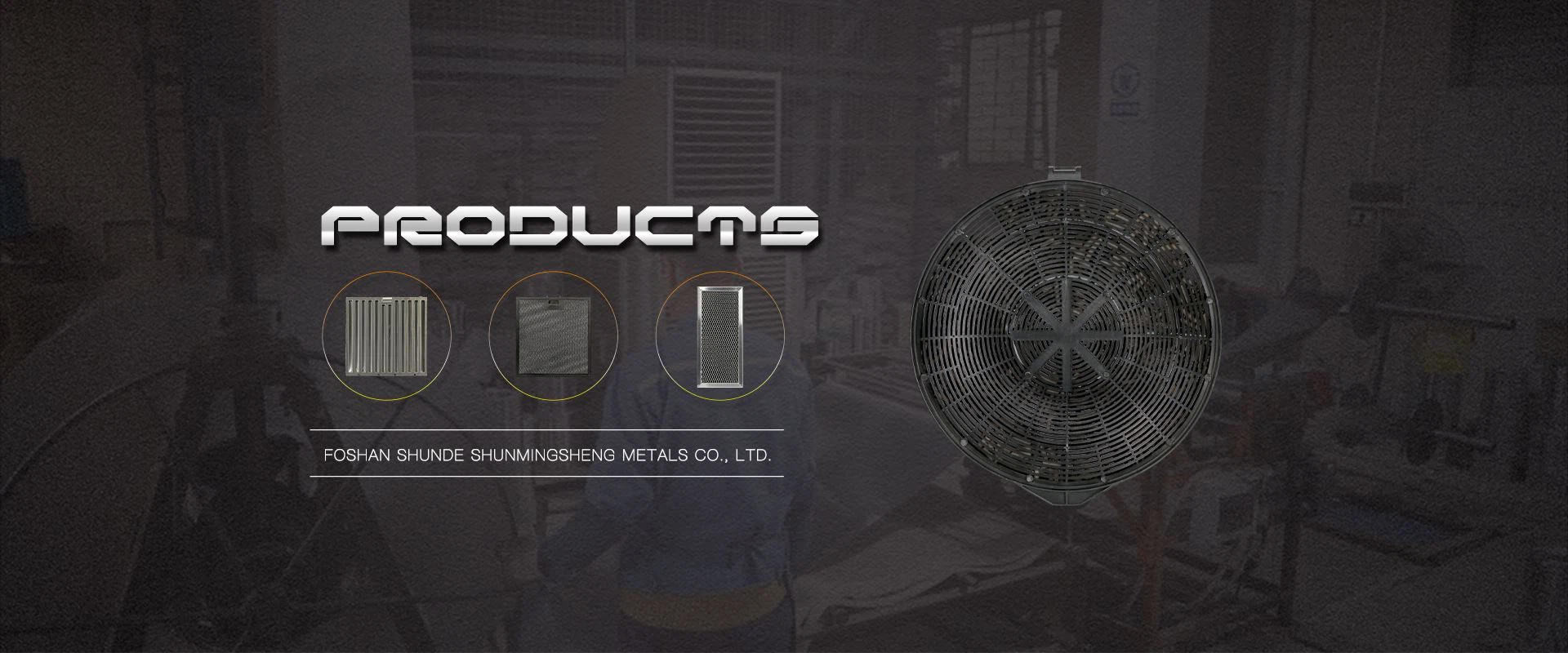
Metal grease filters are the type most commonly found in household microwaves. They are usually made from layered aluminum mesh or stainless steel.
The mesh in metal Microwave Filters is full of tiny holes - big enough to let air through, small enough for grease droplets to cling to the metal. Over time, oil and grime build up on the surface so the grease collects on the filter instead of spreading into the ventwork.
Because metal filters are made to be sturdy, you can reuse them. When the surface looks grimy, pop the filter out and wash it with warm, soapy water; a gentle scrub usually does the trick. Let it dry fully before you slide it back in. With a little regular care, a metal filter will stay serviceable for years.
Charcoal filters work differently. You'll find them in ductless microwave models that recirculate air rather than send it outside. These Microwave Filters contain activated carbon - a porous material that soaks up odor molecules from cooking.
Charcoal can't be refreshed by washing. Once the carbon is saturated, its ability to trap smells drops off, so you replace the cartridge instead. For most kitchens, swapping the charcoal filter every six to twelve months is a reasonable rule of thumb, depending on how much greasy or aromatic cooking you do.

How Microwave Filters Work
Microwave ventilation is simple in principle. When you start cooking, a small fan pulls air up from the stovetop - air that usually carries steam, a bit of smoke, and tiny oil droplets released by hot food. Before that air travels through the rest of the venting, it must pass the filter. That's where Microwave Filters do the heavy lifting.
As air flows through the mesh, grease droplets cling to the surface. The holes in the mesh are sized to strike a balance: large enough for air to move freely, small enough to trap oily residue. Catching grease this early keeps oil from drifting deeper into ducts, onto fan blades, or other internal parts. The filter doesn't change how your microwave cooks, but it does protect airflow and keeps the ventilation path cleaner over time.

Why Microwave Filters Are Important
Protecting the Ventilation System
When cooking oils are heated, they release very fine particles into the air. These particles can travel easily with rising steam and smoke. If they enter the ventilation system without filtration, they may settle on internal surfaces and slowly build up.
Microwave Filters provide the first level of protection by capturing grease near the air intake. This area is far easier to clean than internal ducts or fan components.
Maintaining Airflow
Your microwave's fan needs steady airflow to pull heat, steam, and smoke away from the cooking area. When Microwave Filters gunk up with grease, that pathway narrows. The fan keeps running, but it has to work harder - you may notice reduced venting, extra noise, or a drop in performance over time. A quick clean keeps the passage clear and the fan happy.
Reducing Kitchen Odors
Ductless microwaves rely on charcoal Microwave Filters to trap odor molecules before the air is recirculated. Swap those filters on schedule and you'll cut down lingering food smells - this matters most in small kitchens where smells concentrate. Also: running the vent fan while you cook reduces how much the charcoal has to absorb.

How to Clean a Microwave Filter
When cleaning is necessary
Most makers recommend checking Microwave Filters every 1–3 months, but it depends on what you cook. If you fry often or use oily ingredients, check more frequently. Watch for these signs that it's time to clean or replace:
Visible grease or dark staining on the filter
Noticeably weaker suction at the vent
Persistent cooking odors after a cycle
A grimy or sticky feel when you handle the filter
If you see any of these, pull the filter out and give it a proper clean - or replace it if it's a charcoal type that's past its useful life.
Common signs include:
- Grease buildup on the surface
- Reduced airflow from the vent
- Noticeable cooking odors
- Dark stains on the filter mesh
- Checking the filter regularly helps prevent heavy buildup.
Basic Cleaning Steps
- Cleaning a metal grease filter usually takes only a few minutes.
- Turn off and unplug the microwave.
- Remove the filter from the vent slot.
- Fill a sink with warm water and dish soap.
- Soak the filter for about 10–15 minutes.
- Gently scrub away grease using a soft brush.
- Rinse thoroughly with clean water.
- Allow the filter to dry before reinstalling.
Avoid abrasive cleaning tools that could damage the mesh of Microwave Filters.

Maintenance Tips for Longer Filter Life
Regular maintenance helps keep Microwave Filters working effectively and can extend their lifespan.
Simple habits can make a noticeable difference:
Turn on the vent fan while cooking
Clean the filter before grease becomes heavy
Wipe nearby cooking surfaces regularly
Replace charcoal filters when recommended
These steps reduce the amount of grease entering the ventilation system.
Custom Microwave Filter Sizes
Microwave filters are not universal. Different brands and models often require specific dimensions.
If the replacement filter does not fit correctly, air may flow around the edges instead of passing through the filter material. This reduces the effectiveness of Microwave Filters.
When choosing a replacement, several measurements are important.
|
Measurement |
Why It Matters |
|
Width |
Ensures the vent opening is covered |
|
Height |
Allows the filter to sit properly |
|
Thickness |
Maintains proper airflow |
|
Frame Type |
Matches the mounting design |
A correctly sized filter ensures that grease is captured before air enters the vent system.

Conclusion
It's honestly easy to forget about Microwave Filters. Most of us don't even think about them until something smells off or grease starts showing up where it shouldn't. But these little pieces quietly do a lot of the dirty work-catching grease, helping air move properly, and keeping cooking smells from hanging around too long.
Without them, that oily mist from everyday cooking would slowly settle inside the vents and on fan parts. Trust me, cleaning that kind of buildup later is far more annoying than dealing with the filter now.
The good news is that taking care of Microwave Filters doesn't require much effort. A quick wash for a metal filter or replacing a charcoal one every so often usually does the trick. Spend a few minutes checking them every couple of months and you'll likely save yourself a much bigger cleaning job later.
Sometimes it's the smallest parts in the kitchen that quietly make life a little easier.