

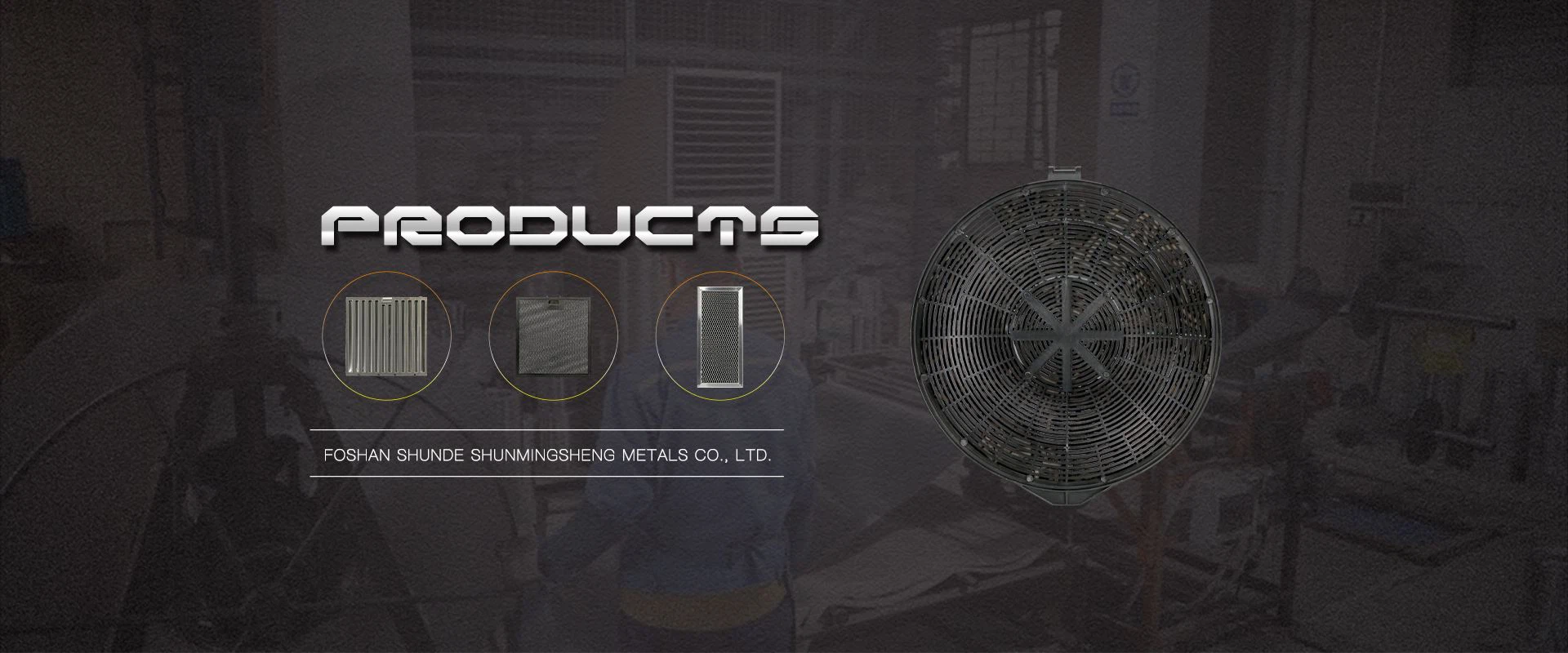
A charcoal filter chimney is an important device in modern home environments for improving air quality. Its main function is to ensure indoor air freshness by using activated charcoal to adsorb smoke, odors, and other air pollutants. However, even the highest-quality filters will gradually lose their effectiveness over time. Therefore, understanding when to replace the charcoal filter chimney's filter is crucial for maintaining the device's efficient operation and ensuring good air quality. Here are several key situations indicating when you should consider replacing the charcoal filter chimney filter:
Decreased Filtration Efficiency: The primary function of a charcoal filter is to remove air pollutants through the adsorption capacity of activated charcoal. Over time, as the filter is used, the charcoal becomes saturated with pollutants, and its adsorption capacity significantly decreases. If you find that the chimney's filtration effectiveness is not as good as before and smoke and odors in the air are not effectively removed, it is usually a sign that the filter is saturated. In this case, replacing the filter can restore the chimney's filtration efficiency and ensure fresh indoor air.
Unpleasant Odors: Another important function of the charcoal filter is to remove odors from the air. When the adsorption capacity of the filter's activated charcoal decreases, it may not effectively remove odors and could start releasing absorbed gases. If you notice significant unpleasant odors in the air, especially after using the chimney, it is usually a signal that the filter needs to be replaced. Timely replacement of the filter can prevent the accumulation of odors and maintain indoor air comfort.
Dirty or Clogged Filter: Regularly checking the physical condition of the charcoal filter is also important. If the filter accumulates visible dust, dirt, or other particles, this may indicate that the filter has lost its effectiveness. The appearance of the filter can provide clues about its internal condition. Cleaning or replacing the filter can prevent airflow restrictions caused by clogging, ensuring the proper functioning of the chimney system.
Decreased Device Performance: The performance of a charcoal filter chimney is not only reflected in its filtration effect but also in its overall operational efficiency. If you notice a significant decline in the performance of related devices, such as reduced fan power, increased noise, or abnormal sounds during operation, it could be due to filter failure. Clogging or saturation of the filter may affect the device's performance, and timely replacement of the filter can help restore the device's normal function.
Regular Replacement Schedule: According to the manufacturer's recommendations and usage frequency, regular replacement of the filter is best practice for maintaining device efficiency. Most manufacturers recommend replacing the filter every 6 to 12 months. However, the specific replacement cycle should be adjusted based on usage frequency, environmental conditions, and the filter's condition. Following the manufacturer's recommendations ensures optimal filter performance and avoids performance issues due to filter aging.
Smoke Leakage: If you notice smoke leaking from the chimney rather than being effectively filtered, it may be a sign that the filter has failed. Smoke leakage could be due to poor sealing of the filter or the charcoal's inability to effectively adsorb the smoke. Inspecting and replacing the filter can resolve smoke leakage issues, ensuring the normal operation of the chimney system and preventing smoke from negatively impacting indoor air quality.
Changes in Environmental and Usage Conditions: Changes in environmental conditions and usage patterns can also affect the lifespan of the charcoal filter chimney. For example, using the chimney in a high-pollution environment or frequent use of the device may accelerate filter saturation and aging. In such cases, you may need to check and replace the filter more frequently to address the challenges posed by environmental changes.
Advancements in Filter Materials and Technology: With technological advancements, new filter materials and technologies are continually emerging. If your charcoal filter chimney uses an older filter, and newer, more advanced filter technologies or materials are available on the market, considering a replacement with a new-type filter can also improve filtration efficiency. Newer filters often offer better performance and longer service life, contributing to better air quality.
User Health Needs: For users who are highly sensitive to air quality, such as those with respiratory conditions or allergies, maintaining an efficient air filtration system is particularly important. If a user's health condition changes or there are increased requirements for air quality, timely replacement of the filter can ensure that new health needs are met and provide cleaner indoor air.
Inspection and Maintenance Records: Regular inspection and maintenance records are also important for determining whether a filter needs replacement. If you keep records and have a regular inspection habit, you can compare the data to assess the filter's condition. If you find a significant decline in the filter's performance or unexpected issues, replacing the filter based on the records can effectively resolve the problem.