

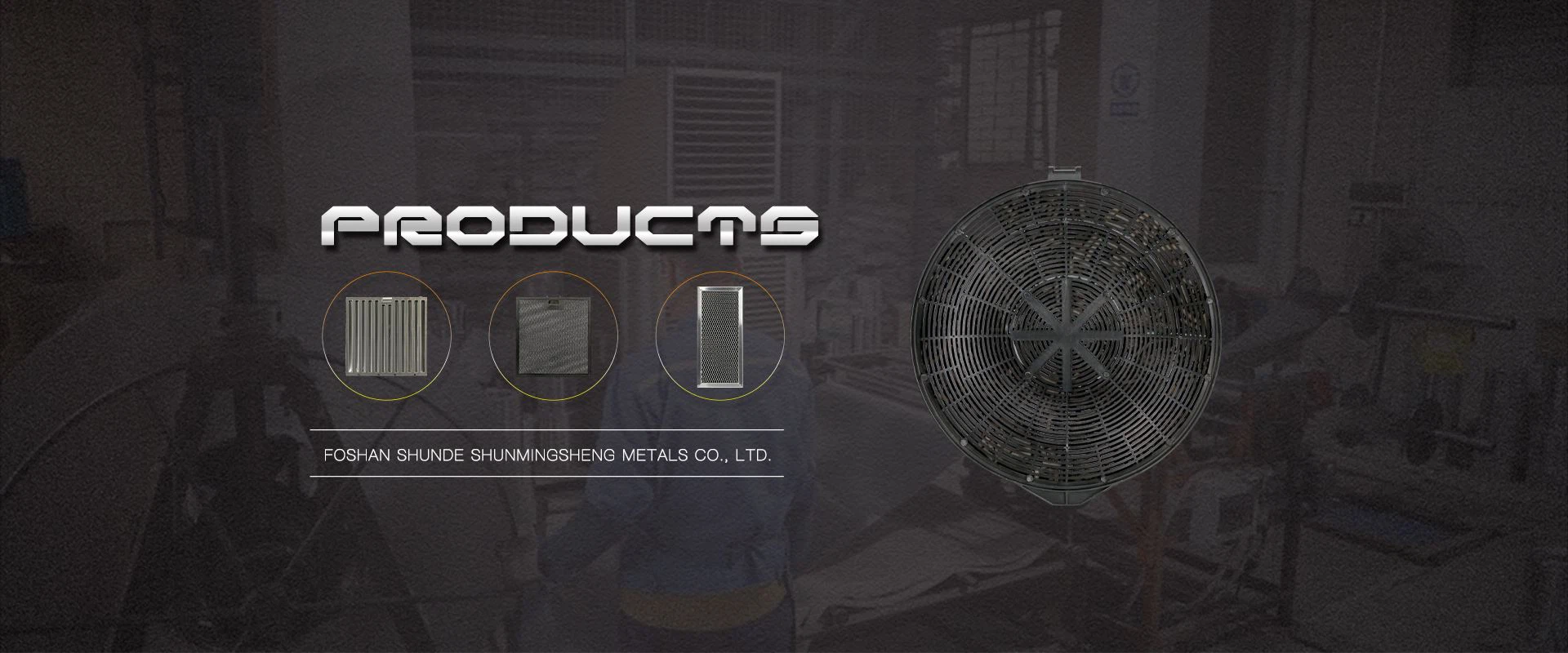
When you operate a commercial kitchen or a heavy-duty industrial extraction facility, managing air quality and grease particulate loading is one of your toughest daily challenges. Standard ventilation setups often fail under the extreme pressures of continuous runtime, high heat, and heavy residue. To safeguard your ventilation systems and protect your structural investments, implementing robust filtration componentry is a strict operational necessity.
This comprehensive technical guide will detail why choosing the correct air management components alters your infrastructure longevity. By shifting focus toward heavy-duty industrial and commercial kitchen standards, you can balance cost-efficiency with uncompromising safety. Here is everything you need to know about optimizing your airflow systems using professional-grade baffle filters stainless components.

| 𝗨𝗻𝗱𝗲𝗿𝘀𝘁𝗮𝗻𝗱𝗶𝗻𝗴 𝘁𝗵𝗲 𝗕𝗮𝘀𝗶𝗰𝘀 𝗼𝗳 𝗕𝗮𝗳𝗳𝗹𝗲 𝗙𝗶𝗹𝘁𝗲𝗿𝘀
Definition and Core Mechanism
To optimize your facility's ventilation infrastructure, you must first understand exactly how a specialized baffle mechanism differs from typical residential mesh. A baffle filter consists of structured, interlocking metal sheets placed parallel to one another. These plates create a precise series of alternating curves and distinct geometric pathways for passing air currents.
Unlike standard mesh screens that trap grease directly inside a crowded weave, these units use a specialized structural approach. By forcing heavy, moisture-laden air to snake through a series of alternating vertical metal baffles, the system prevents immediate clogging. For your procurement operations, utilizing baffle filters stainless design principles means acquiring hardware built specifically to process highly concentrated airborne grease and particulate streams without losing operational momentum.
The Principle of Mechanical Impaction
The operational magic within these assemblies relies entirely on the fluid dynamics principle known as mechanical impaction. As hot, grease-saturated air is drawn upward by your exhaust blowers, it collides directly with the first set of curved metal surfaces. Because airborne grease, oil droplets, and heavy commercial particulates possess a much higher mass and inertia than the surrounding air, they cannot change direction as quickly as the gas stream.
Consequently, as the fast-moving airflow quickly pivots around the sharp turns of the interlocking metal plates, the heavier grease molecules continue on their forward trajectory. This physical force drives the contaminants to smash directly into the smooth metal walls. This process is called centrifugal separation. Once impacted, the heavy grease liquefies, adheres to the metal surfaces, and runs downward through gravity into your system's integrated collection troughs.
Primary Commercial Applications
You will find these heavy-duty assemblies deployed across multiple demanding commercial environments where high-volume particulate extraction is critical. In the food service and hospitality industries, they form the
primary defense barrier inside commercial kitchen hoods, managing high-temperature grease from charbroilers, deep fryers, and high-volume woks.
Beyond commercial food production, modern industrial facilities utilize specialized baffle filters stainless systems to capture industrial mist, heavy airborne lubricants, and oil scale generated by automated machinery and CNC metalworking zones. Implementing these components across your ventilation hoods reduces grease accumulation inside your expensive ductwork, minimizing fire risks across your entire real estate portfolio.

| 𝐖𝐡𝐲 𝐒𝐭𝐚𝐢𝐧𝐥𝐞𝐬𝐬 𝐒𝐭𝐞𝐞𝐥 𝐈𝐬 𝐭𝐡𝐞 𝐏𝐫𝐞𝐦𝐢𝐞𝐫 𝐌𝐚𝐭𝐞𝐫𝐢𝐚𝐥 𝐂𝐡𝐨𝐢𝐜𝐞
Unmatched Corrosion and Rust Resistance
When selecting filtration hardware for long-term commercial integration, material composition determines your ultimate operational lifespan. Opting for premium stainless steel-such as grade 304 or high-performance marine grade 316-provides your ventilation system with an exceptional defense against rapid oxidization and chemical wear.
Commercial exhaust streams are highly corrosive, containing high levels of water vapor, vaporized organic acids, and aggressive chemical residues from cooking oils. While cheaper aluminum models quickly pitted, oxidized, and degraded under these harsh conditions, stainless steel maintains its clean, non-porous surface profile indefinitely. This material resilience ensures your filters will not suffer from structural pitting or microscopic stress fractures, even after thousands of hours of exposure to high-moisture airflows.
Superior Thermal Tolerance and Fire Prevention
Your commercial operations require strict adherence to fire safety protocols, making high-temperature tolerance a critical metric for hardware selection. Stainless steel possesses an exceptionally high melting point, allowing your baffle filters stainless installations to withstand extreme thermal spikes without losing structural shape or bowing out of place.
In the event of a sudden flash fire on a cooking line or processing floor, these heavy-gauge stainless steel baffles act as an engineering flame barrier. The solid, overlapping metal sheets disrupt the oxygen pathways and absorb intense heat, preventing open flames from bypassing the hood and igniting residual grease inside the exhaust ducts. This safety feature protects your building infrastructure and minimizes the risk of catastrophic facility damage.
Structural Integrity and Longevity
From a B2B procurement perspective, hardware durability directly impacts your corporate bottom line. Aluminum and galvanized steel alternatives are highly susceptible to bending, denting, and warping during routine maintenance cycles or accidental drops. Once a filter's framework is warped, it permits contaminated air to bypass the filtration media, defeating the purpose of the system.
Investing in rugged stainless steel ensures that your filters maintain their strict engineering tolerances year after year. The rigid frame construction stands up to high-pressure washdowns, industrial handling, and accidental impacts without losing its precise seal. By choosing baffle filters stainless configurations, your organization minimizes ongoing replacement costs and avoids unexpected system downtime caused by structural hardware failure.
| 𝐇𝐨𝐰 𝐭𝐨 𝐂𝐥𝐞𝐚𝐧 𝐒𝐭𝐚𝐢𝐧𝐥𝐞𝐬𝐬 𝐒𝐭𝐞𝐞𝐥 𝐁𝐚𝐟𝐟𝐥𝐞 𝐅𝐢𝐥𝐭𝐞𝐫𝐬
Step-by-Step Degreasing Process
Maintaining high filtration efficiency requires a simple, structured cleaning routine that your facility maintenance staff can execute safely. First, ensure your ventilation fans are deactivated and the exhaust hood has cooled completely. Carefully release the locking tabs or tension springs holding the filter plates in place, sliding each unit downward out of its operational housing channel.
Next, immerse the dirty filters in a deep soaking tank filled with hot, soft water mixed with a high-quality commercial alkaline degreasing agent. Allow the units to soak for roughly fifteen to thirty minutes to break down hardened grease binders. After soaking, use a non-abrasive nylon brush or a medium-pressure hot water spray gun to wash away residual oils, ensuring you spray along the direction of the internal channels to clear all hidden pathways.
Dishwasher Compatibility and Automated Washing
For high-frequency commercial kitchens and busy production plants, manual labor costs represent a major operational expense. A prime advantage of utilizing premium baffle filters stainless models is their complete compatibility with standard commercial dishwashing equipment. The durable stainless steel construction easily resists the highly concentrated, high-pH detergents and intense sanitizing temperatures used in industrial dishwashers.
Your team can slide the dirty filter units straight into standard dish racks for an automated cleaning cycle. This automated method eliminates tedious manual scrubbing, cuts labor hours, and ensures a uniform level of sanitation across your entire facility. The smooth, polished surface of stainless steel releases oils rapidly, allowing your kitchen or maintenance crew to complete cleanup routines quickly and return the hardware to service without delay.
Recommended Maintenance and Inspection Schedule
To keep your ventilation systems operating at peak efficiency, you should implement a preventative maintenance schedule tailored to your specific output levels. For heavy-volume cooking facilities operating twenty-four hours a day, inspect and wash your filter assemblies daily to prevent heavy grease buildup from constricting essential airflow channels.
For moderate commercial operations, a thorough cleaning twice a week is usually sufficient to maintain proper balance. During each cleaning cycle, instruct your maintenance crew to inspect the outer perimeter frames for any signs of grease bypass or gasket wear. Establishing this clear, preventative routine preserves ideal static pressure across your system, lowering energy consumption and ensuring a clean work environment for your staff.

|
Procurement Tip: Always verify that your cleaning chemicals are rated safe for stainless steel. Avoid using highly concentrated chlorine bleach or abrasive steel wool pads, as these can disrupt the protective chromium oxide film on the metal's surface and lead to premature surface staining. |
| 𝐊𝐞𝐲 𝐁𝐞𝐧𝐞𝐟𝐢𝐭𝐬 𝐭𝐨 𝐂𝐨𝐧𝐬𝐢𝐝𝐞𝐫 𝐟𝐨𝐫 𝐖𝐡𝐨𝐥𝐞𝐬𝐚𝐥𝐞 𝐁𝐮𝐲𝐞𝐫𝐬
Optimal Airflow Efficiency and Static Pressure
When you design or manage a commercial ventilation system, maintaining an optimal balance of static pressure is essential for long-term motor health. Standard wire mesh filters quickly clog with grease, choking your extraction blowers, increasing resistance, and forcing exhaust fans to draw more electrical power to maintain airflow.
In contrast, the open, aerodynamic layout of professional baffle filters stainless systems ensures a remarkably consistent static pressure profile. Because grease drops roll down into external collector trays rather than building up in the air pathways, air flows freely through the hood. This consistent efficiency reduces wear on expensive exhaust fan motors, lowers monthly energy costs, and extends the service life of your entire HVAC setup.
Compliance with Hygiene and Safety Standards
Operating a modern commercial facility requires strict adherence to international safety and hygiene regulations. High-grade stainless steel baffle systems are engineered to meet stringent global standards, including NFPA 96 codes, UL classification rules, and NSF sanitation requirements for food-zone equipment.
Because stainless steel is naturally non-porous and resistant to bacteria, it prevents the growth of mold and biological pathogens in high-moisture ventilation zones. Presenting verified compliance certifications protects your enterprise from costly regulatory fines, passes municipal health inspections, and reassures B2B clients that your production environment meets top industry safety benchmarks.
Total Cost of Ownership and ROI Analysis
While aluminum or wire mesh models require a lower initial purchase price, they carry high long-term operational costs due to frequent replacement needs and high cleaning labor demands. Savvy wholesale buyers evaluate purchasing decisions based on the Total Cost of Ownership (TCO) over a multi-year timeline.
The upfront cost of premium baffle filters stainless products yields an impressive return on investment. By eliminating frequent replacement cycles and reducing manual cleaning time, these filters quickly pay for themselves. Over a five-year operational window, choosing premium stainless steel over low-cost alternatives can cut filtration procurement costs by up to forty percent, making it the most sensible financial strategy for your enterprise.
Filtration Material Comparison Matrix
To help you evaluate your procurement options, the matrix below compares the performance characteristics of the three most common commercial filtration materials:
|
Performance Metric |
Stainless Steel Baffles |
Aluminum Baffles |
Galvanized Steel Mesh |
|
Corrosion Resistance |
Excellent (No oxidation) |
Poor (Prone to pitting) |
Moderate (Coatings wear off) |
|
Structural Integrity |
High (Resists bending/ warping) |
Low (Easily dented) |
Moderate (Weave degrades) |
|
Fire Safety Rating |
Superior (Flame barrier) |
Low (Low melting threshold) |
Moderate (Grease saturated mesh) |
|
Cleaning Method Compatibility |
Dishwasher & caustic chemical safe |
Hand wash only (Sensitive to acids) |
Limited (Rusts if scratched) |
|
Expected Lifespan |
5 - 10+ Years |
1 - 2 Years |
6 - 12 Months |
|
Overall Procurement Value |
Highest Long-Term ROI |
Low (High replacement costs) |
Poor (Frequent downtime) |

| 𝐅𝐫𝐞𝐪𝐮𝐞𝐧𝐭𝐥𝐲 𝐀𝐬𝐤𝐞𝐝 𝐐𝐮𝐞𝐬𝐭𝐢𝐨𝐧𝐬 𝐀𝐛𝐨𝐮𝐭 𝐁𝐚𝐟𝐟𝐥𝐞 𝐅𝐢𝐥𝐭𝐞𝐫𝐬
1. What is the main structural difference between mesh filters and baffle filters stainless designs?
Mesh filters use a dense, layered weave of fine wire metal to catch grease particles directly within the air
path, which causes rapid clogging and chokes your airflow. Baffle filters use solid, interlocking parallel plates that force air into a series of sharp turns. This dynamic uses centrifugal force to separate grease from the air stream without restricting airflow or increasing static pressure.
2. How often should our maintenance staff clean our stainless steel baffle filters?
Your cleaning schedule depends entirely on your daily production volume. High-volume commercial kitchens or industrial processing lines operating around the clock should wash their filters daily. Moderate operations can maintain excellent efficiency with a thorough wash twice a week. Regular washing keeps grease moving smoothly into collection trays and prevents fire hazards.
3. Are these heavy-duty stainless steel baffle filters safe for automated commercial dishwashers?
Yes, premium stainless steel construction is fully compatible with automated commercial dishwashers. Unlike aluminum models, which tarnish, pit, and turn black when exposed to harsh machine detergents, stainless
steel easily withstands high heat and high-pH cleaning chemicals, helping you save on manual labor costs.
4. How do we measure our ventilation hoods to ensure we order the correct replacement filter sizes?
Always measure the inner dimensions of your hood's mounting channel. Record the vertical height first,
followed by the horizontal width, and then the channel depth or thickness. Note that baffle filters must always be installed with the baffles running vertically. This vertical orientation allows liquefied grease to run downward into the collection trough using gravity.
5. Which grade of stainless steel should our company choose for an industrial or food-safe environment?
For the vast majority of commercial kitchens, industrial hoods, and standard processing zones, Grade 304 stainless steel provides exceptional durability and rust resistance at an excellent value. If your facility
processes highly acidic chemical vapors, handles marine equipment, or deals with extreme salt exposure, upgrading to marine-grade 316 stainless steel offers superior protection against pitting corrosion.