

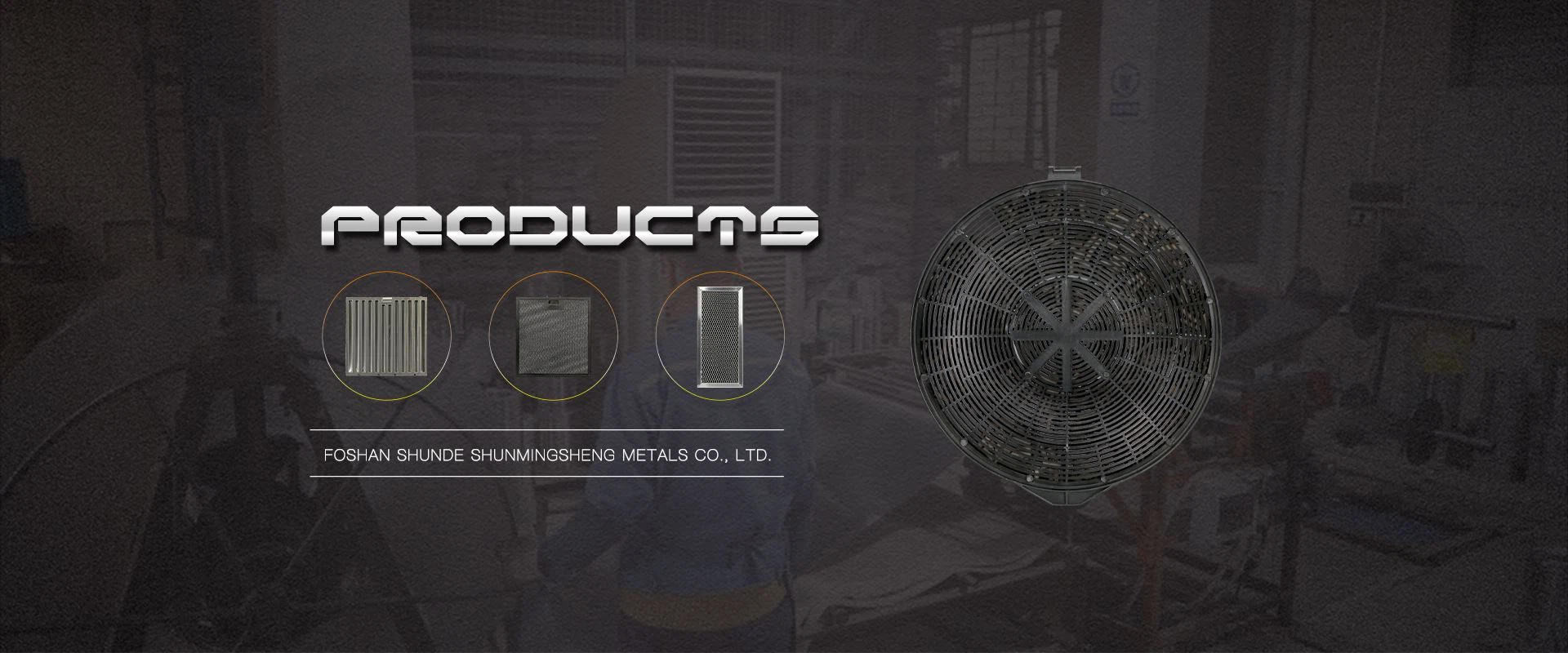
The Importance of Range Hood Filters
In modern kitchens, range hoods are essential appliances. They work by drawing away the smoke, odors, and steam generated during cooking, keeping the kitchen air fresh and reducing the accumulation of grease on kitchen furniture and appliances. The range hood filter, serving as the first line of defense, plays a crucial role.
The primary function of the filter is to capture grease and impurities, preventing these substances from entering the internal ducts or exhaust system of the range hood. Over time, the filter accumulates a significant amount of grease and dirt, and if not cleaned or replaced regularly, it can become clogged, leading to various issues. Therefore, knowing how to determine if the filter is clogged and replacing it when necessary is vital.
How to Determine If the Range Hood Filter Is Clogged
Without removing the range hood filter, you can determine if it is clogged through the following methods:
1. Check Suction Power
Test Suction Strength: One of the simplest and most effective methods is to test the suction strength of the range hood. You can hold a lightweight piece of paper or tissue near the intake of the range hood. If the paper is pulled up and sticks to the filter, the suction is normal, indicating that the filter is functioning correctly. Conversely, if the paper is not pulled up or if the suction is significantly reduced, it is likely that the filter is clogged, affecting the airflow.
Consequences of Reduced Suction: Reduced suction means that the range hood cannot effectively remove smoke and odors, which not only leads to a decline in kitchen air quality but also increases grease residue in the kitchen. Over time, this can cause damage to kitchen walls and furniture.
2. Observe Smoke Exhaust
Check Exhaust Efficiency: During cooking, you can observe whether the smoke is quickly drawn away by the range hood. If the smoke lingers in the kitchen, spreads unevenly, or even shows clear signs of "backflow," this is likely a result of a clogged filter, leading to reduced exhaust efficiency.
Impact of Poor Smoke Exhaust: Poor exhaust performance not only affects the cooking experience but can also deteriorate the kitchen environment and increase health risks. Long-term exposure to heavy smoke can irritate the respiratory system, causing discomfort or even long-term health problems.
3. Listen for Noise Changes
Notice Operational Noise: Under normal circumstances, the range hood operates with a consistent noise level. If you suddenly notice that the noise from the range hood has increased or the sound has become muffled, it may be due to a clogged filter causing the fan to work harder. A clogged filter forces the fan to work more intensely to maintain normal exhaust functions, resulting in increased noise.
Warning Signs of Noise Changes: Excessive workload can shorten the lifespan of the range hood, increasing the likelihood of damage, and may even lead to overheating or burning out of the motor. Additionally, continuous high noise levels can affect the comfort of the living environment.
4. Check for Smoke Residue
Inspect Smoke Residue: During regular use, pay attention to whether there is significant grease buildup in the kitchen, especially in areas far from the range hood. If you notice an increase in grease accumulation in these areas, it could be because the filter is clogged, preventing the effective removal of smoke and causing more grease to remain on kitchen surfaces.
Consequences of Grease Residue: Grease not only makes the kitchen look dirty but can also become a breeding ground for bacteria, increasing the difficulty of cleaning the kitchen. Additionally, excessive grease buildup can pose a fire hazard.
5. Observe Odors
Smell for Lingering Odors: If after cooking, the smell of smoke or odors lingers in the kitchen for a long time, it could mean that the filter is clogged, affecting the range hood's ability to exhaust properly. Under normal conditions, the range hood should be able to remove cooking odors effectively within a short time. If the odor remains in the kitchen for an extended period, it indicates that the filter's effectiveness has decreased.
Impact of Lingering Odors: Long-term lingering odors not only affect the quality of life but can also lead to decreased appetite and even cause headaches or other physical discomforts.
Why You Should Replace a Clogged Filter Immediately
Once it is confirmed that the range hood filter is clogged, it is very important to replace or clean it promptly. Here are several important reasons to take immediate action:
1. Maintain Good Kitchen Air Quality
A clogged filter cannot effectively capture smoke and grease, allowing these pollutants to enter the kitchen air directly. This not only makes the kitchen environment uncomfortable but can also pose a health threat to the occupants. Prolonged exposure to smoke can cause respiratory problems, especially for individuals with asthma or allergies, making the impact more severe.
2. Prevent Damage to the Range Hood
A clogged filter forces the range hood fan to work under excessive load. Prolonged high-load operation can cause the motor to overheat, shorten the lifespan of the range hood, and may even lead to more severe mechanical failures. For example, a burned-out motor or damaged exhaust system would require expensive repairs or replacements.
3. Reduce Fire Risk
As mentioned earlier, a clogged filter can accumulate a large amount of grease. This grease is highly flammable, especially in a high-temperature environment during cooking. If flames or high temperatures directly contact the grease-laden filter, it could start a fire. Therefore, replacing a clogged filter in a timely manner is not only necessary for maintaining the proper functioning of the range hood but also crucial for ensuring household safety.
4. Keep the Kitchen Clean
A clogged filter cannot effectively prevent grease from spreading, leading to more grease accumulation on kitchen surfaces. This grease buildup not only increases the difficulty of cleaning the kitchen but can also cause damage to furniture and appliances. By replacing the filter promptly, grease residue can be significantly reduced, helping to maintain a clean kitchen environment.
5. Improve Energy Efficiency
A clogged filter increases the energy consumption of the range hood. Since the fan needs more energy to maintain normal operation, this not only increases electricity costs but also has a negative impact on the environment. After replacing the filter, the range hood can achieve better exhaust performance with lower energy consumption, helping to save energy.
How to Properly Replace and Maintain Filters
After deciding to replace a clogged filter, the correct procedures and maintenance methods are equally important. Here are some recommendations:
1. Regularly Check and Clean
Even reusable filters need to be cleaned regularly. It is recommended to check the condition of the filter once a month, and if excessive grease buildup is found, clean it immediately. For disposable filters, replace them every 3-6 months depending on usage frequency.
2. Choose the Right Filter
When replacing the filter, make sure to choose a filter that matches the model of the range hood. Different brands and models of range hoods may use different types of filters, such as aluminum mesh, stainless steel mesh, or carbon filters. Before purchasing, carefully read the manual or consult a professional.
3. Proper Installation
When installing a new filter, ensure that it is fully secured in the range hood's fixed slot to prevent loosening or improper installation that could affect filtration effectiveness. If unsure about the installation steps, refer to the manual or seek professional help.
4. Regular Replacement
Even high-quality filters will gradually lose their filtration effectiveness after extended use. Therefore, even if there are no obvious signs of clogging, it is still recommended to replace the filter once a year or according to the manufacturer's guidelines to ensure optimal performance.