

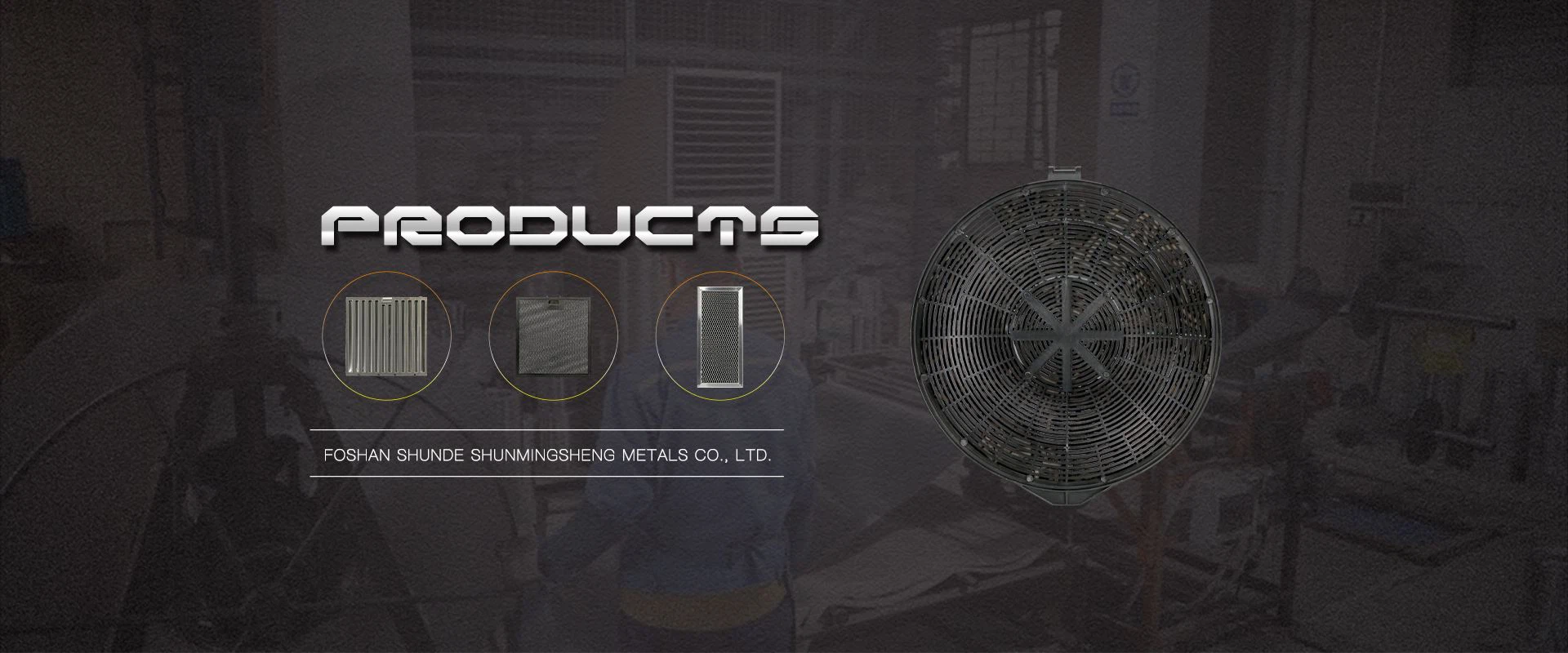
Products Description
The Hidden Dangers of Kitchen Air Pollution
The smoke and odors produced during cooking can be unpleasant and potentially harmful to health. Studies have shown that prolonged exposure to cooking smoke can lead to respiratory diseases, cardiovascular issues, and even increase the risk of certain cancers. The release of harmful substances like polycyclic aromatic hydrocarbons (PAHs) during high-temperature frying and grilling is particularly concerning.
Although modern range hoods can mitigate these issues to some extent, traditional mechanical filters and simple metal mesh structures often fail to completely remove fine particles and harmful gases. In this context, granular activated carbon, with its high adsorption capabilities, is emerging as a crucial tool for enhancing kitchen air quality.
Granular Activated Carbon: From Industrial Use to Home Kitchens
Granular activated carbon was initially used primarily in industrial applications for air and water purification. However, with advancements in technology, it has gradually been introduced into residential settings, particularly in range hoods, showing significant potential.
Core Technology for Air Purification
The advantage of granular activated carbon lies in its highly developed porous structure, which allows it to adsorb various pollutants in the air. Specifically, granular activated carbon captures and holds smoke, odors, and harmful gases through both physical and chemical adsorption. This technology not only improves the filtration efficiency of range hoods but also provides households with cleaner kitchen air.
Increasing Adoption in Home Appliances
In residential range hoods, granular activated carbon is primarily used as a high-efficiency filtration material, installed in the filter systems within the range hood. As air passes through the filter, granular activated carbon adsorbs pollutants, thereby purifying the air. Compared to traditional mechanical filters, granular activated carbon effectively captures smaller particles and volatile organic compounds (VOCs), making it a popular choice in the market.
Market Response: Growth Driven by Health and Environmental Needs
Driven by health and environmental demands, granular activated carbon range hoods are becoming mainstream. Market research shows that sales of range hoods equipped with granular activated carbon filters have steadily increased, especially in regions like Asia-Pacific and Europe, where air quality is a significant concern.
Shift in Consumer Preferences
Modern consumers expect more from their products than just basic functions. There is a growing emphasis on health and environmental features. Granular activated carbon range hoods effectively remove harmful gases and odors from the kitchen, meeting consumers' needs for a healthier environment. Additionally, with increasing environmental awareness, consumers demand products with eco-friendly characteristics, making granular activated carbon a representative of sustainable products.
Policy Support
Many countries and regions have implemented strict air quality standards, requiring household appliances, including range hoods, to reduce harmful emissions. Range hoods with granular activated carbon filters, due to their excellent performance in reducing harmful gas emissions, have received support from policies and gained market favor. This not only boosts product sales but also drives technological advancements in the industry.
Technical Challenges and Innovation Directions
Despite the success of granular activated carbon in the market, there are still technical challenges, which also represent future innovation directions.
Filter Life and Maintenance
Granular activated carbon's adsorption capacity is substantial but limited. Once saturated, its adsorption effectiveness significantly declines. Therefore, extending the life of filters and finding cost-effective and efficient methods for replacing or regenerating filters are pressing issues that need addressing.
Improving Adsorption Efficiency
Current granular activated carbon filters rely on passive adsorption, meaning air must pass through the filter to be purified. However, due to the complex nature of kitchen environments, smoke is often unevenly distributed in the air. Designing more efficient airflow systems to ensure that pollutants in the air are thoroughly exposed to the activated carbon surface is an important technical challenge.
Environmental Sustainability
With increasing emphasis on environmental protection, both consumers and regulatory agencies are demanding higher standards for the environmental impact of products. Future granular activated carbon filters will need to achieve higher adsorption efficiency while meeting sustainability standards throughout their lifecycle.
Future Outlook: Smarter and More Sustainable Range Hoods
With the rise of smart home concepts, the range hood industry is also moving toward smart technology. Future granular activated carbon range hoods will not only continue to enhance air purification but may also integrate more intelligent features, such as automatically detecting air quality and adjusting suction power, alerting users to replace filters, and even interacting with other smart home devices to create a healthier kitchen ecosystem.
Moreover, driven by environmental demands, future granular activated carbon filters may use more eco-friendly materials, such as bio-based activated carbon, and improve production processes to reduce carbon footprints. In summary, granular activated carbon's application will continue to enhance range hood performance and lead the kitchen appliance industry towards a smarter and more sustainable future.