

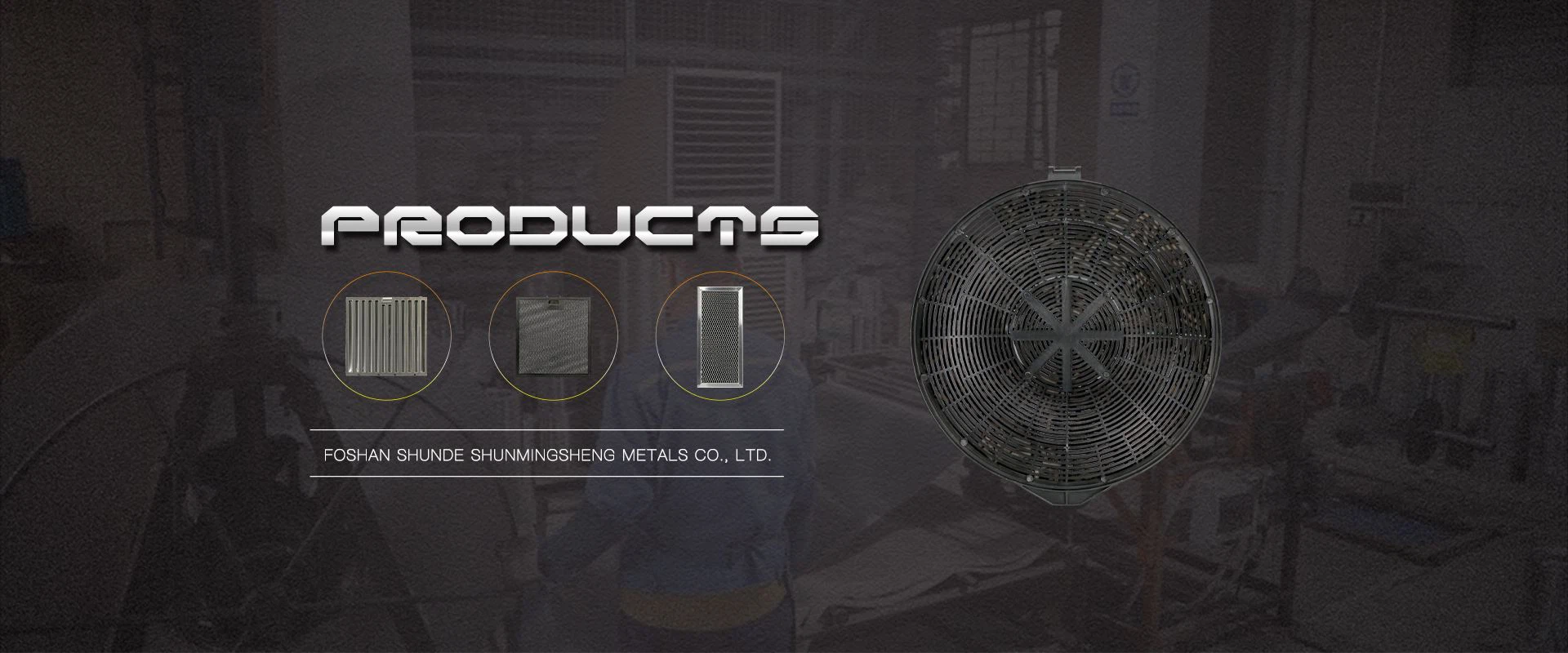
In modern industrial, commercial, and household settings, filtration equipment plays a crucial role. As production technology advances and environmental requirements increase, filtration technology continues to evolve. Stainless steel filters, as a common type of efficient filtration equipment, are becoming an indispensable component across various industries due to their excellent performance and broad application range. This article will delve into the characteristics, applications, and future market prospects of stainless steel filters.
Definition and Working Principle of Stainless Steel Filters
Stainless steel filters are filtration devices specifically designed to remove solid particles from liquids or gases, ensuring the purity of fluids during production or usage. These filters are typically made from high-quality stainless steel, offering superior corrosion resistance, high-temperature resistance, and excellent mechanical strength, allowing them to perform well even in harsh working environments.
Their core function is to intercept large particles or suspended solids through their perforated or woven mesh structure. As liquids or gases pass through the filter, larger particles are blocked on the surface of the mesh, while smaller particles flow through with the fluid. In this way, the liquids or gases are effectively purified, meeting the high standards required in industrial and commercial production.
Material Advantages: The Exceptional Properties of Stainless Steel
The primary material of stainless steel filters is stainless steel, whose unique properties provide this type of filter with broad application potential. Compared to traditional filtration materials, stainless steel offers the following notable advantages:
Strong Corrosion Resistance: Due to its high chromium content, stainless steel filters exhibit excellent oxidation and corrosion resistance in moist or chemically aggressive environments. This makes them advantageous for handling chemicals, food products, and corrosive liquids.
High-Temperature Resistance: Stainless steel has outstanding heat resistance, capable of withstanding high temperatures without deformation or damage. This makes stainless steel filters ideal for use in high-temperature operating environments such as industrial kilns and steam pipes.
High Mechanical Strength: The strength of stainless steel enables it to withstand high pressure and mechanical stress without easily breaking or deforming. This characteristic is particularly important in situations where long-term use is required and frequent replacement is impractical.
Easy Cleaning and Maintenance: The smooth surface of stainless steel makes it difficult for dirt to adhere, making it highly suitable for environments requiring frequent cleaning. Stainless steel filters are designed to allow for simple cleaning, usually requiring only a basic rinse to restore their filtration efficiency.
Application Fields of Stainless Steel Filters
Due to their excellent performance and versatility, stainless steel filters have found widespread use in various fields. Below are some typical application scenarios:
Food Processing Industry
In the food processing industry, liquid purification is critical. Stainless steel filters are widely used to filter oil, sauces, beverages, and other liquids, ensuring the purity and quality of food and drinks. For example, in vegetable oil processing, stainless steel filters can effectively remove impurities and suspended solids, ensuring oil quality. Additionally, due to the corrosion resistance of stainless steel, it remains stable even when handling acidic or alkaline liquids.
Pharmaceutical Industry
In pharmaceutical processes, purity and hygiene are of utmost importance. Stainless steel filters are used to filter liquid medications, solvents, and gases during the pharmaceutical process, ensuring the final product's purity and quality. In particular, stainless steel filters can efficiently filter and reduce bacterial growth in the biopharmaceutical sector, meeting stringent GMP standards.
Chemical Industry
The chemical industry often involves handling corrosive and high-temperature liquids or gases. Due to their corrosion and high-temperature resistance, stainless steel filters are vital for filtering chemical products. Stainless steel filters can effectively trap solid particles in chemical equipment pipelines and storage tanks, protecting the equipment from damage and improving product purity.
Environmental Protection Industry
In the environmental protection industry, wastewater treatment and exhaust gas treatment require efficient filtration equipment. Stainless steel filters can be used in water treatment equipment to help remove suspended solids and impurities from water, enhancing purification efficiency. In air treatment systems, stainless steel filters effectively remove particulate matter from the air, reducing atmospheric pollution.
Household and Commercial Filtration Applications
In addition to industrial applications, stainless steel filters are also widely used in household and commercial settings. For example, kitchen range hood filters and faucet filters often use stainless steel materials, offering good purification effects and long service life. In air conditioning systems, stainless steel filters can effectively filter dust and impurities from the air, improving air quality.
Cleaning and Maintenance of Stainless Steel Filters
Although stainless steel filters have strong self-cleaning capabilities, in highly polluted environments, filters may become clogged with particles, affecting their filtration efficiency. Therefore, regular cleaning and maintenance are essential to ensure the long-term, efficient operation of stainless steel filters.
Common cleaning methods for stainless steel filters include high-pressure water rinsing, chemical solution soaking, and ultrasonic cleaning. Filters used in the food processing and pharmaceutical industries typically require periodic high-temperature sterilization to prevent bacterial growth. It is important to note that although stainless steel is highly durable, sharp tools should be avoided during cleaning to prevent scratches or damage to the filter surface.

