

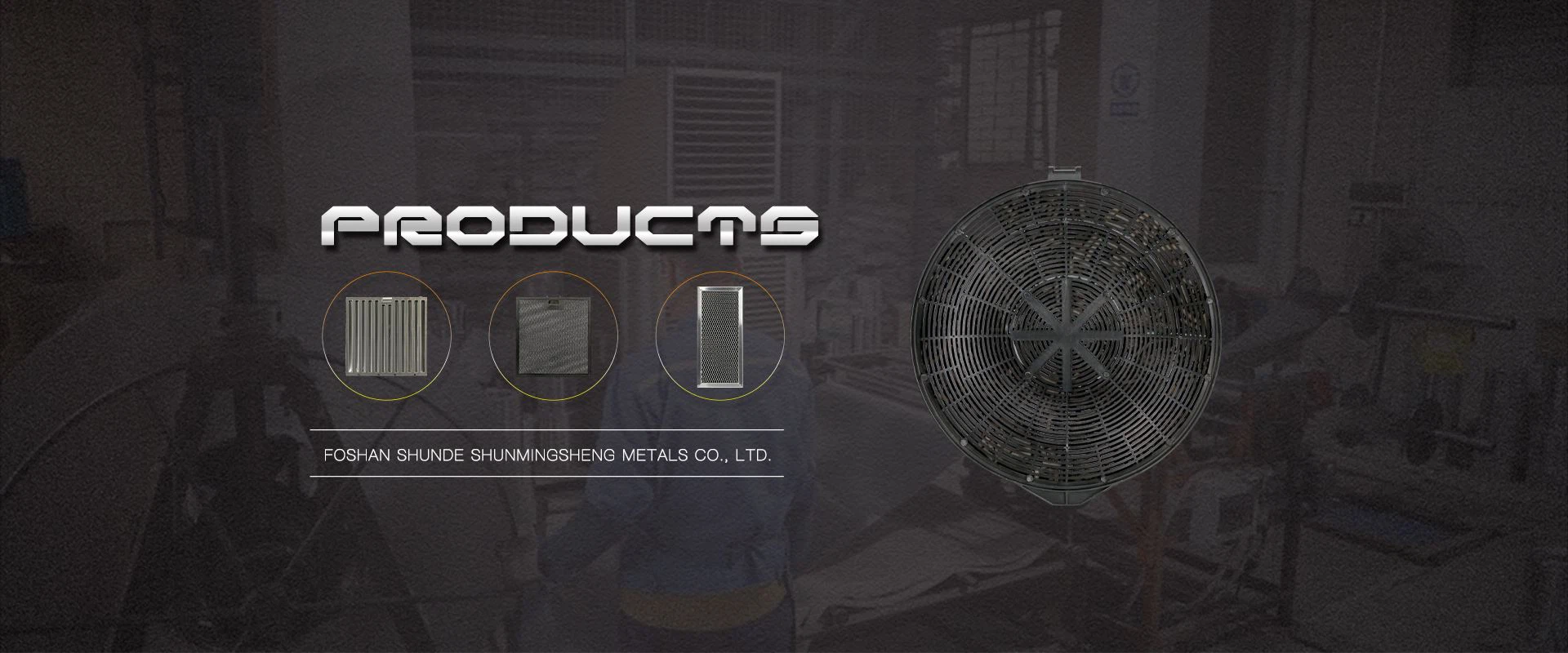
In the market, we often see two types of range hood designs: those with filters and those without. So, what are the differences between these two types of range hoods?
Firstly, in terms of design, range hoods with filters typically feature a metal or plastic filter to trap grease and smoke. On the other hand, range hoods without filters lack this component, giving them a more streamlined appearance.
Secondly, regarding performance, range hoods with filters can effectively separate grease from smoke through the filtering action of the filter, collecting the grease in an internal oil collection device. This design allows the range hood to filter smoke more efficiently and provide stronger suction. In contrast, range hoods without filters use principles similar to aerodynamics to separate and expel grease after sucking in the smoke. Although this design reduces the hassle of cleaning, the absence of a filtering action might result in slightly weaker suction power.
Additionally, cleaning is another major difference between the two designs. Range hoods with filters require regular cleaning of the filter to maintain its filtering function and suction power. In contrast, range hoods without filters only need the internal oil collection device to be cleaned, making them more convenient in terms of maintenance.
Furthermore, price is a factor to consider. Generally speaking, range hoods with filters are relatively more affordable and are priced more competitively. It is believed that range hoods with filters are more efficient, as the multi-layer filtering process can enhance efficiency and reduce damage to the range hood caused by grease, ultimately saving overall renovation costs and improving kitchen comfort.
We specialize in producing range hood filters. For more details, please contact our customer service.