

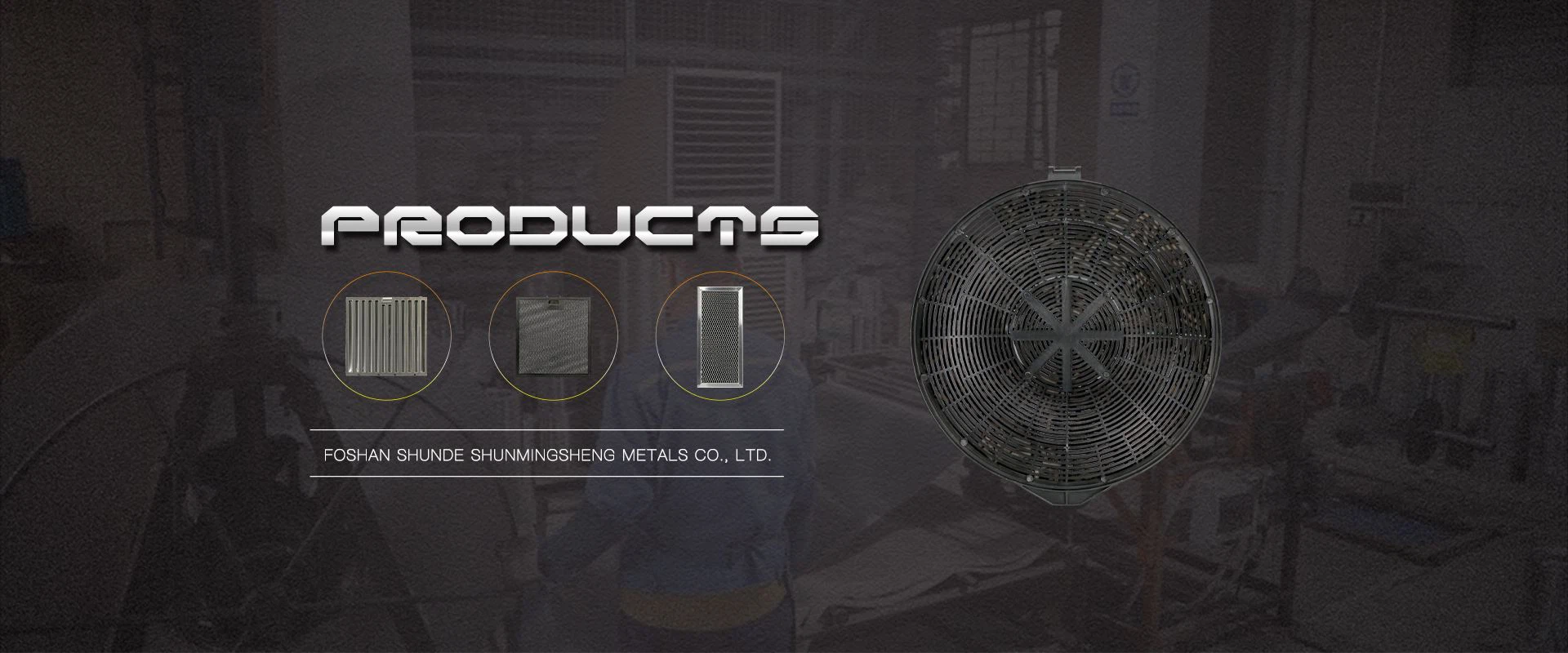
Many people know that air filters can filter pollutants in the air and purify the air, but do you know that it has another function? Below I will bring you this information introduction, you can understand.
According to the production description personnel analysis of air filters and other associated purification equipment, the radiation energy is indicated by radiation output, radiation intensity and radiation amount. The radiation output is the energy radiated by the radiator per unit time, which is equivalent to the luminous flux of the fluorescent tube; Radiation intensity is the radiation output per unit area; The amount of radiation is the product of radiation intensity and radiation time.
The radiation output of the air filter can be changed with the temperature, humidity, wind speed and other factors of the environment in which it is used, and the output can be low when the ambient temperature is low. Humidity addition of its sterilization effect will also be reduced, the air filter UV lamp is usually described according to the relative humidity of 60% as the benchmark. When the indoor humidity is added, because the sterilization effect decreases, the amount of illumination should also be added accordingly, for example, when the humidity is 70%, 80%, 90%, in order to achieve the same sterilization effect, the amount of radiation needs to be separately added 50%, 80%, 90%. Wind speed also has an effect on output. In addition, because the sterilization effect of the ultraviolet lamp is different with the bacteria, the amount of ultraviolet light should be changed for different bacteria, such as the amount of mold killing is 40 to 50 times larger than the bactericide.
The radiation intensity of UV lamp decreases with the increase of illumination interval. Taking the test data of a 30W ultraviolet lamp produced by a factory as an example, the radiation intensity is 72uw/cm2 when the radiation interval is 1m, 19.5uw/cm2 when the interval is 2m, and 8um/cm2 when the interval is 3m. Therefore, when thinking about the sterilization effect of ultraviolet sterilization lamp, the influence of device height on it cannot be neglected.
The sterilization power of the UV lamp decreases with the addition of the use time, to point the output power of 100h for additional output power, the UV lamp point to 70% of the extra power lighting time for the average life, when the UV lamp use time exceeds the average life, it is not expected to achieve the role, it is necessary to replace, usually the average life of domestic UV lamps is 2000h.
Finally, we need to note that the sterilization effect of ultraviolet radiation is determined by its radiation amount, and the radiation amount is always equal to the radiation intensity multiplied by the radiation time, so to improve the radiation effect, it is necessary to add radiation intensity or extend radiation time.


In air conditioning systems, air filters play a crucial role, with the main functions including:
Removal of Pollutants: Filters can capture dust, pollen, mold spores, bacteria, viruses, and other fine particles in the air, reducing air pollutants.
Improving Air Quality: By removing odors and harmful substances from the air, filters can significantly enhance indoor air quality, creating a healthier living environment.
Protecting Air Conditioning Equipment: Filters can prevent dust and debris from entering the air conditioning system, reducing equipment wear and extending the lifespan of the air conditioner.
Enhancing Energy Efficiency: Clean filters help air conditioning systems operate more efficiently, lowering energy consumption and reducing operational costs.
Reducing Maintenance Frequency: Keeping the filters clean can reduce the maintenance needs of other components of the air conditioning system, as filters prevent dust and debris from accumulating inside the air conditioner, decreasing failure rates.
Preventing Mold Growth: High-efficiency filters can control humidity and inhibit mold growth within the air conditioning system, especially in humid environments.