

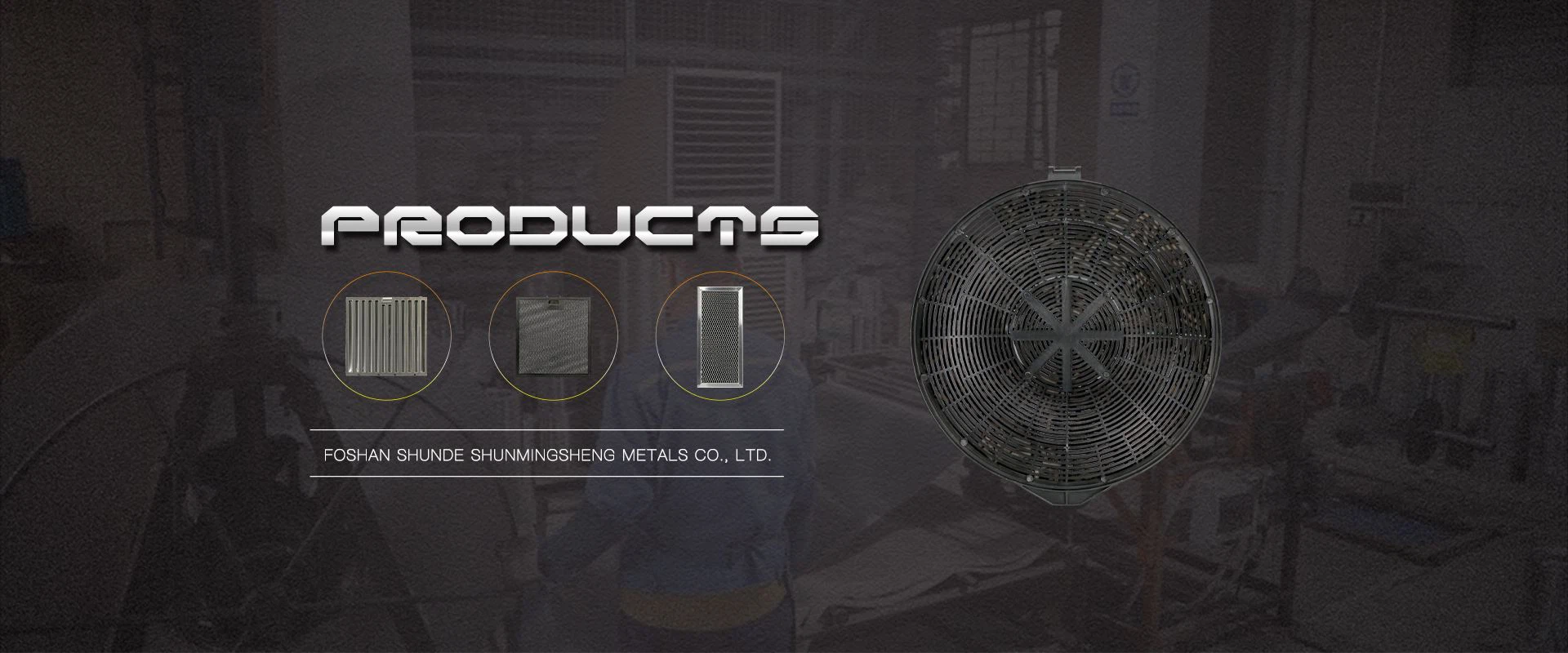
With the rapid development of modern kitchen technology, microwave ovens have become an indispensable household appliance in every home. They not only greatly improve the efficiency of heating food but also change people's cooking habits. However, as the frequency of microwave oven use increases, people are gradually realizing the crucial role of filters in these appliances. Microwave oven filters are a key component in ensuring the efficient and safe operation of the oven, especially in filtering air, removing grease, and maintaining kitchen cleanliness.
Products Description
I. Basic Functions of Microwave Oven Filters
Microwave oven filters are primarily used to handle smoke, grease, and odors generated during the cooking process. Whether it's a household microwave or a large industrial microwave used commercially, the presence of a filter significantly improves the cooking environment by reducing the impact of grease on the kitchen space and the air conditioning system.
Grease Filtration: Microwave oven filters effectively capture grease particles produced during cooking, preventing them from spreading into the indoor air. If grease accumulates inside the microwave over time, it can not only reduce heating efficiency but also pose a fire hazard.
Air Purification: When in use, microwave ovens typically vent steam and smoke through a built-in exhaust system. The filter helps remove harmful substances like grease and particles during this process, keeping the kitchen air clean.
Odor Control: During cooking, food odors can easily spread throughout the room. Microwave filters also help reduce the spread of odors, especially when frequently reheating different types of food, ensuring that kitchen air quality is not severely affected.
Safety Assurance: Filters prevent grease buildup inside the microwave, reducing the risk of fire due to excessive grease. Therefore, regular cleaning and replacement of filters not only help ensure the proper functioning of the appliance but also contribute significantly to the safety of the home and kitchen.
II. Main Types of Microwave Oven Filters
Microwave filters come in various types based on their material and function. Below are some common types of microwave oven filters:
Aluminum Filters: Aluminum filters are the most common on the market. They are usually made of multiple layers of aluminum mesh, which effectively filter grease and particles. These filters are lightweight, durable, and can be washed and reused multiple times, making them a popular choice for many household microwaves.
Stainless Steel Filters: Stainless steel filters, known for their corrosion resistance and high strength, are widely used in commercial microwaves or high-end home microwaves. These filters have a long lifespan and can maintain stable performance in high-temperature environments. Although more expensive, their durability makes them a good long-term investment.
Carbon Fiber Filters: Carbon fiber filters are primarily used for filtering fine particles and odors, offering a high filtration efficiency. They are particularly suitable for kitchens that require higher air purification. The porous structure of carbon fiber effectively absorbs harmful substances in the air, keeping the kitchen air fresh.
Disposable Filters: Some microwaves come with disposable filters, which are convenient to use and inexpensive. These filters usually need to be replaced after a certain period of use. Disposable filters are ideal for users who do not want to deal with complex cleaning tasks.
III. Maintenance and Cleaning of Microwave Oven Filters
To ensure the long-term efficient operation of microwave oven filters, regular cleaning and maintenance are essential. Since filters are exposed to high temperatures and grease for extended periods, they easily accumulate dirt, affecting their filtration efficiency. Therefore, users should follow proper cleaning and maintenance methods.
Cleaning Frequency: For households that frequently use their microwave, it is recommended to clean the filter once a month. If the microwave is used less often, the cleaning cycle can be extended. Commercial microwaves should increase cleaning frequency based on usage intensity to ensure proper operation.
Cleaning Methods: Most metal filters, such as aluminum or stainless steel filters, can be cleaned using hot water and detergent. Users can soak the filter in hot water and gently scrub it with a soft brush to remove grease and dirt. After cleaning, rinse the filter with clean water and allow it to air dry before reuse.
Avoiding Damage: During cleaning, avoid using abrasive materials such as steel wool to scrub the filter, as this can damage the mesh structure and affect filtration performance. Additionally, handle the filter carefully to prevent deformation during cleaning.
Timely Replacement: Even though filters can be cleaned and reused multiple times, their filtration efficiency may gradually decrease over time. Therefore, users should replace the filter as needed to ensure optimal performance of the microwave oven.