

When it comes to water and air purification, choosing the right filter is crucial. In this blog, I'll compare black activated carbon filters and ceramic filters, sharing insights based on my experience as a black activated carbon filter supplier.
How Black Activated Carbon Filters Work
Black activated carbon filters are made from carbonaceous materials such as coal, coconut shells, or wood that have been activated through a process of heating and oxidation. This activation creates a vast network of tiny pores, increasing the surface area of the carbon. A single gram of activated carbon can have a surface area of over 1000 square meters.
These pores act as traps for various contaminants. When water or air passes through the filter, contaminants like chlorine, volatile organic compounds (VOCs), pesticides, and odors adhere to the carbon surface through a process called adsorption. This is different from absorption, where a material soaks up a substance. Adsorption is a surface - based process where molecules stick to the surface of the activated carbon.
How Ceramic Filters Work
Ceramic filters are typically made from clay or other ceramic materials. They are designed with microscopic pores that act as a physical barrier. Water or air is forced through these pores, and particles larger than the pore size are blocked. The pore size of ceramic filters can be controlled during the manufacturing process, allowing for different levels of filtration.
For example, some ceramic filters are designed to remove large particles like sediment and rust, while others can be made with smaller pores to remove bacteria and protozoa. However, ceramic filters are mainly mechanical filters and are not as effective at removing dissolved chemicals or odors on their own.
Filtration Efficiency
Contaminant Removal
- Black Activated Carbon Filters: As mentioned earlier, activated carbon filters are excellent at removing organic compounds, chlorine, and odors. They can also reduce the levels of some heavy metals like mercury and lead to a certain extent. For air purification, they are widely used in carbon filter air purifier to remove harmful gases and unpleasant smells. In water treatment, they can significantly improve the taste and odor of water.
- Ceramic Filters: Ceramic filters are very effective at removing particulate matter. They can remove sediment, sand, and even some microorganisms. However, they are not designed to remove dissolved contaminants such as chemicals and heavy metals. To enhance their effectiveness against bacteria and viruses, some ceramic filters are impregnated with silver, which has antibacterial properties.
Microorganisms
- Black Activated Carbon Filters: Activated carbon filters are not primarily designed to remove microorganisms. While they may trap some larger bacteria and protozoa by adsorption, they are not a reliable method for complete microbial removal. However, in combination with other filtration methods, they can play a role in a comprehensive water treatment system.
- Ceramic Filters: Ceramic filters with small enough pore sizes can effectively remove bacteria and protozoa. For example, filters with a pore size of 0.2 microns can remove most bacteria, and some can even remove certain viruses. This makes them a popular choice in areas where microbial contamination is a concern.
Longevity and Maintenance
Longevity
- Black Activated Carbon Filters: The lifespan of a black activated carbon filter depends on several factors, including the quality of the carbon, the level of contamination in the water or air, and the flow rate. Generally, activated carbon filters need to be replaced every few months to a year. As the carbon pores become filled with contaminants, the filtration efficiency decreases.
- Ceramic Filters: Ceramic filters can last longer than activated carbon filters in terms of physical durability. However, over time, the pores can become clogged with particles, reducing the flow rate. Depending on the usage and water quality, ceramic filters may need to be cleaned or replaced every 6 months to 2 years.
Maintenance
- Black Activated Carbon Filters: Maintenance of activated carbon filters is relatively simple. Once the filter reaches the end of its lifespan, it needs to be replaced. There is no way to regenerate the carbon in a home setting. Some high - end filters may have indicators to show when replacement is needed.
- Ceramic Filters: Ceramic filters can be cleaned to extend their lifespan. They can be scrubbed with a soft brush to remove the accumulated particles on the surface. However, if the pores are severely clogged, the filter may need to be replaced.
Cost
Initial Cost
- Black Activated Carbon Filters: The initial cost of black activated carbon filters can vary depending on the size and quality. Small - scale air filters or water pitcher filters are relatively inexpensive, while large - scale industrial filters can be more costly. In general, they are competitively priced compared to other filtration technologies.
- Ceramic Filters: Ceramic filters can have a higher initial cost, especially those with advanced features like silver impregnation. The manufacturing process of ceramic filters is more complex, which contributes to the higher price.
Long - Term Cost
- Black Activated Carbon Filters: The long - term cost of using black activated carbon filters includes the cost of replacement filters. Since they need to be replaced more frequently, the overall cost over time can be significant. However, the cost - effectiveness depends on the specific application and the level of contamination.
- Ceramic Filters: Although the initial cost is higher, the longer lifespan of ceramic filters and the possibility of cleaning can make them more cost - effective in the long run, especially in areas with relatively clean water or air.
Applications
Home Use
- Black Activated Carbon Filters: In homes, Charcoal Air Filter For Home are commonly used in air purifiers to improve indoor air quality by removing odors, smoke, and VOCs. In water treatment, they are used in water pitchers and under - sink filters to improve the taste and odor of drinking water.
- Ceramic Filters: Ceramic filters are often used in home water filtration systems, especially in areas with high sediment or microbial contamination. They can be used as a pre - filter in combination with other filtration methods to protect more sensitive filters.
Industrial Use
- Black Activated Carbon Filters: Activated carbon filters are widely used in industries such as food and beverage, pharmaceuticals, and chemical processing. They are used to remove impurities, odors, and colors from liquids and gases. For example, in the beverage industry, they are used to remove chlorine from water used in the production process.
- Ceramic Filters: In industrial settings, ceramic filters are used in applications where particulate removal is the main concern, such as in mining, oil and gas, and wastewater treatment. They can also be used in high - temperature applications due to their heat resistance.
Conclusion
Both black activated carbon filters and ceramic filters have their own advantages and disadvantages. Black activated carbon filters are excellent at removing dissolved chemicals and odors, while ceramic filters are effective at removing particulate matter and some microorganisms. The choice between the two depends on the specific filtration needs, the level of contamination, and the budget.

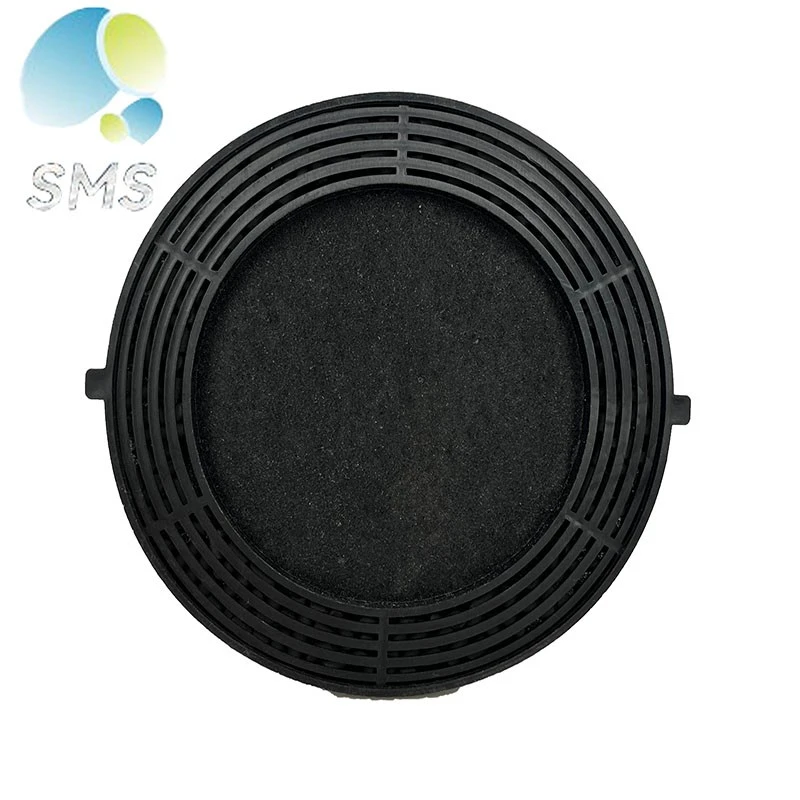
If you are looking for a solution to improve the taste and odor of water or air, or to remove organic compounds, a black activated carbon filter may be the right choice. On the other hand, if you need to remove sediment, bacteria, or protozoa, a ceramic filter could be more suitable.
As a supplier of black activated carbon filters, I am committed to providing high - quality products that meet your specific requirements. If you are interested in purchasing black activated carbon filters for your home or industrial application, please feel free to contact me for more information and to start a procurement negotiation.
References
- "Water Treatment Filters: A Comprehensive Guide" by John Doe, published by Water Filtration Press.
- "Air Purification Technologies" by Jane Smith, published by Clean Air Institute.