

In modern kitchens, maintaining clean and fresh air is of paramount importance. Two common devices used for this purpose are cooker range hood filters and air purifiers. As a reliable supplier of cooker range hood filters, I am well - versed in the functions and features of these products, and I'm going to compare them in this blog post.
How Cooker Range Hood Filters Work
Cooker range hood filters are specifically designed to be installed above stoves. Their primary function is to capture grease, oil, and large particulate matter that are generated during cooking. When cooking, especially during high - heat operations such as frying or stir - frying, significant amounts of grease aerosols and fine oil droplets are released into the air. Range hood filters act as the first line of defense.
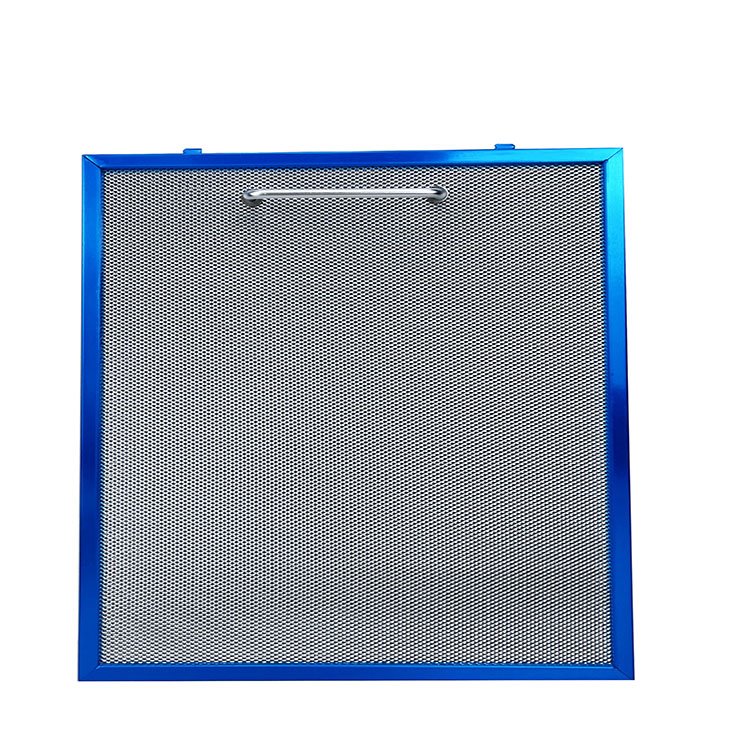
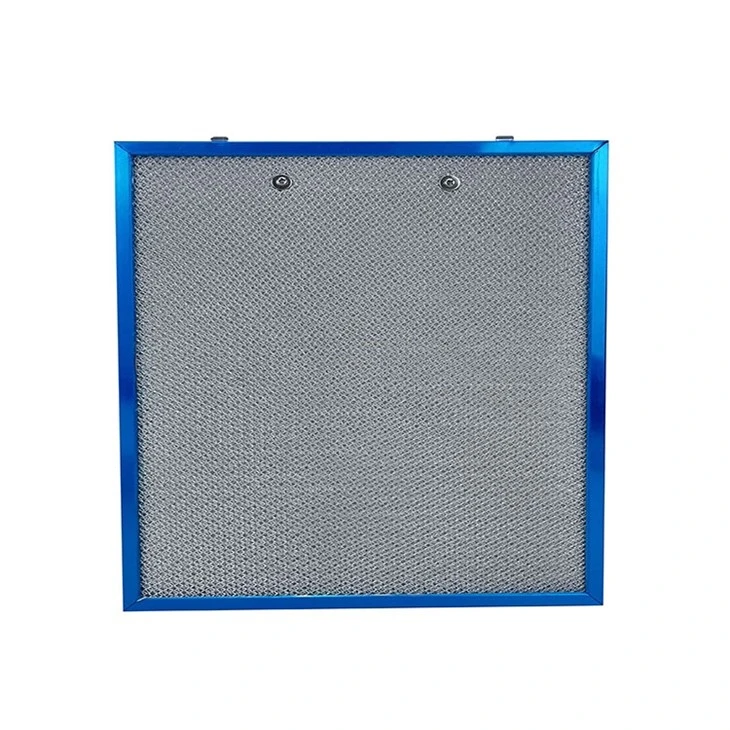
There are different types of range hood filters, each with its own unique design and advantages. For instance, the Carbon Cotton Cooker Range Hood Filter combines the absorption capabilities of carbon with the filtering properties of cotton. The carbon layer can effectively adsorb odor molecules, while the cotton layer traps larger particles. Then, the Push - draw Mode Latch Cooker Range Hood Filter features a convenient push - draw mechanism. This design allows for easy removal and cleaning, which is essential as a dirty filter can lose its effectiveness. Another popular option is the Cooker Hood Filter Mesh. The mesh design is engineered to capture grease particles as air passes through.
Range hood filters work in tandem with the exhaust system of the range hood. The fan draws the polluted air up through the filters. Once the particles are trapped, the relatively clean air is either vented outside or recirculated into the kitchen after further filtration in some models.
How Air Purifiers Work
Air purifiers, on the other hand, are more general - purpose devices. They are designed to clean the air in a given space from a wide variety of pollutants, including dust, pollen, pet dander, smoke, and odor. Unlike cooker range hood filters, which mainly focus on cooking - related pollutants, air purifiers are multi - functional.
Most air purifiers use a combination of filters, such as a pre - filter, a HEPA (High - Efficiency Particulate Air) filter, and an activated carbon filter. The pre - filter captures larger particles like hair and dust, extending the lifespan of the more delicate filters. The HEPA filter can remove up to 99.97% of particles as small as 0.3 microns, making it highly effective against fine dust and airborne pathogens. The activated carbon filter is responsible for reducing odors and absorbing volatile organic compounds (VOCs).
Air purifiers work by continuously circulating the air in a room. The built - in fan draws air into the machine through the various filters. As the air passes through, pollutants are removed before the clean air is released back into the environment.
Comparison in Terms of Filtration Efficiency
When it comes to filtration efficiency for cooking - related pollutants, cooker range hood filters have a distinct edge. They are positioned right above the source of pollution, which allows them to capture a large percentage of grease and oil particles at the point of origin. Since they are specifically designed for cooking fumes, they are highly effective at preventing grease from spreading throughout the kitchen and attaching to surfaces.
However, air purifiers, although less specialized for cooking fumes, can also make a contribution. If there are lingering odor molecules or fine particles that escape the range hood filter, an air purifier can help to clean the air further. HEPA filters in air purifiers can capture ultrafine particles that may not be completely trapped by range hood filters.
In terms of other pollutants not related to cooking, air purifiers clearly outperform cooker range hood filters. Range hood filters are not designed to handle dust, pollen, or pet dander. So, for those with allergies or in a household with pets, an air purifier can be a valuable addition to maintain a healthy indoor air quality.
Comparison in Terms of Installation and Placement
Cooker range hood filters are usually integrated into the range hood system. Their installation is straightforward in new constructions as they are often part of the overall kitchen ventilation design. For existing kitchens, replacing a range hood filter is a relatively simple task and usually can be done without professional help. However, the location of the filter is fixed above the stove, and its effectiveness is mainly limited to the immediate area around the cooking zone.
Air purifiers, on the other hand, are more flexible in terms of placement. They can be moved from one room to another depending on the needs. You can place an air purifier in the kitchen during cooking hours and move it to the bedroom at night. This flexibility makes air purifiers a more versatile option for maintaining air quality in different areas of a home.
Comparison in Terms of Maintenance
Maintenance of cooker range hood filters is crucial for their proper functioning. Grease and oil can quickly accumulate on the filter, reducing its efficiency and airflow. Regular cleaning is required, which can range from weekly to monthly, depending on cooking frequency. The cleaning process usually involves soaking the filter in a degreaser solution and then rinsing it thoroughly. For some types of filters, replacement may be necessary after a certain period of use.
Air purifiers also need regular maintenance. The pre - filter should be cleaned regularly to prevent clogging, and the HEPA filter and carbon filter need to be replaced periodically according to the manufacturer's instructions. However, the overall maintenance of an air purifier is generally less intensive in comparison to the regular cleaning required for range hood filters, especially in high - volume cooking households.
Cost Comparison
In terms of upfront cost, cooker range hood filters are generally more affordable. They are a necessary component of a range hood system and typically come at a relatively low price. Even when it comes to replacement filters, the cost is relatively reasonable.
Air purifiers can be more expensive, especially high - end models with advanced features and multiple filters. The price range can vary widely, from a few tens of dollars for basic models to several hundred dollars for large - capacity, multi - stage air purifiers. Additionally, there are the recurring costs of filter replacements, which can add up over time.
Noise Level
Cooker range hood filters usually operate with the associated range hood fan. The noise level of range hoods can vary greatly depending on the model and the fan speed. Some high - power range hoods can be quite noisy, which can be a nuisance during cooking, especially in an open - concept kitchen.
Air purifiers also produce noise, but most modern models are designed to operate quietly. They are often used in bedrooms and living rooms where low noise levels are desirable. So, in terms of noise, air purifiers are generally a better option for those who are sensitive to sound.
Conclusion
Both cooker range hood filters and air purifiers have their own unique advantages and are suitable for different needs. Cooker range hood filters are essential for any kitchen as they provide active protection against cooking - related pollutants at the source. They are cost - effective and, with proper maintenance, can significantly reduce the amount of grease and odor in the kitchen.
Air purifiers, on the other hand, offer more comprehensive air cleaning and greater flexibility. They can complement cooker range hood filters by removing a wider variety of pollutants and improving the overall air quality in the kitchen and other areas of the home.
If you're looking for a high - quality cooker range hood filter, look no further. We offer a wide selection of filters, including the Carbon Cotton Cooker Range Hood Filter, Push - draw Mode Latch Cooker Range Hood Filter, and Cooker Hood Filter Mesh. If you are interested in purchasing our products and would like to discuss the details of your order, please don't hesitate to reach out to us for a purchasing negotiation.
References
- "Principles of Indoor Air Quality", American Society of Heating, Refrigerating and Air - Conditioning Engineers (ASHRAE)
- "Ventilation forAcceptable IndoorAir Quality", Environmental Protection Agency (EPA)
- "Air Filtration Basics", Association of Home Appliance Manufacturers (AHAM)