

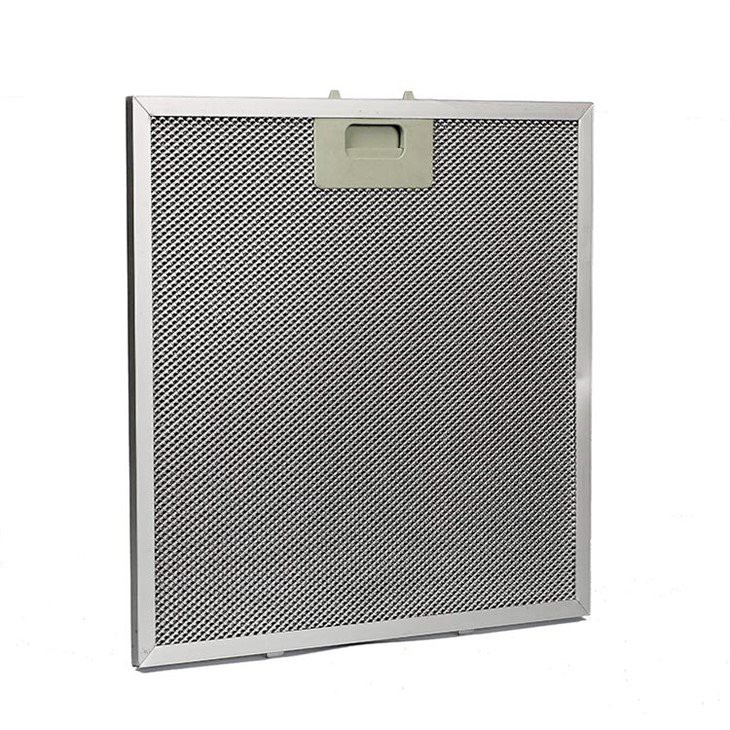
A cooker range hood filter is an essential component of any kitchen ventilation system. It traps grease, oil, and other particles from the air, preventing them from circulating in the kitchen and causing unpleasant odors and stains. Over time, these filters can become clogged with debris, reducing their efficiency and potentially causing damage to the range hood. Therefore, regular cleaning of the cooker range hood filter is crucial to maintain its performance. After cleaning, the next important step is to dry the filter properly. In this blog, as a cooker range hood filter supplier, I'll share the best ways to dry a cooker range hood filter.
Why Proper Drying Matters
Before delving into the drying methods, it's important to understand why proper drying is crucial. A wet filter can lead to several problems. First, it can promote the growth of mold and bacteria, which can not only cause unpleasant odors but also pose a health risk. Second, moisture can cause the filter to rust or corrode, especially if it is made of metal. This can shorten the lifespan of the filter and reduce its effectiveness. Finally, a wet filter can also affect the performance of the range hood, as water can interfere with the airflow and reduce the suction power.
Types of Cooker Range Hood Filters
There are several types of cooker range hood filters available on the market, each with its own unique characteristics and drying requirements. Here are some common types:
- Push - draw Mode Latch Cooker Range Hood Filter: This type of filter is designed with a push - draw mode latch mechanism, making it easy to install and remove for cleaning. It is often made of metal and can collect a significant amount of grease.
- Mesh Filter For Cooker Hood: Mesh filters are made of a fine metal mesh that traps grease and other particles. They are relatively inexpensive and easy to clean but may require more frequent replacement compared to other types of filters.
- Carbon Cotton Cooker Range Hood Filter: Carbon cotton filters are designed to remove odors in addition to grease and particles. They contain activated carbon, which adsorbs and neutralizes unpleasant smells. These filters are often more expensive but offer better odor control.
Best Ways to Dry a Cooker Range Hood Filter
Air Drying
Air drying is the simplest and most natural way to dry a cooker range hood filter. It is suitable for all types of filters and helps prevent damage from high heat. Here's how to do it:
- Shake Off Excess Water: After cleaning the filter, gently shake it to remove as much excess water as possible. This will speed up the drying process.
- Place on a Rack: Find a clean and dry rack where you can place the filter. Make sure the rack has enough space between the bars to allow air to circulate around the filter. Place the filter on the rack, ensuring that all parts are exposed to the air.
- Choose a Well - Ventilated Area: Select a well - ventilated area to place the rack with the filter. A kitchen window sill or a balcony can be ideal locations. The fresh air will help evaporate the moisture more quickly.
- Flip the Filter: After a few hours, flip the filter over to ensure that both sides dry evenly. Depending on the humidity and airflow, air drying can take anywhere from 12 to 24 hours.
Using a Fan
If you need to dry the filter more quickly, using a fan can be a great option. The moving air from the fan will accelerate the evaporation process.
- Set Up the Fan: Place a fan near the rack with the filter. Make sure the fan is set to a medium or high speed and is blowing directly at the filter.
- Monitor the Drying Process: Check the filter regularly to see if it is drying evenly. You may need to adjust the position of the filter or the fan to ensure that all parts are exposed to the airflow.
- Time Estimation: With the help of a fan, the drying time can be reduced to 6 - 12 hours. However, this may vary depending on the type of filter and the humidity in the environment.
Using a Low - Heat Oven
For metal filters, a low - heat oven can be used to dry them quickly. However, this method should be used with caution, as high heat can damage the filter.
- Preheat the Oven: Preheat the oven to the lowest temperature setting (usually around 150°F or 65°C).
- Place the Filter on a Baking Sheet: Line a baking sheet with aluminum foil for easy cleanup. Place the filter on the baking sheet and put it in the oven.
- Monitor Closely: Keep a close eye on the filter while it is in the oven. Do not leave it unattended, as there is a risk of overheating. Check the filter every 10 - 15 minutes to see if it is dry.
- Remove When Dry: Once the filter is dry, carefully remove it from the oven using oven mitts. Let it cool down completely before reinstalling it in the range hood.
Special Considerations for Different Filters
- Carbon Cotton Filters: Carbon cotton filters are more sensitive to heat. Avoid using a high - heat oven or direct sunlight to dry them, as this can damage the activated carbon. Air drying or using a low - speed fan is the best option for these filters.
- Mesh Filters: Mesh filters are generally more durable and can withstand various drying methods. However, if the mesh is very fine, be careful not to damage it while shaking or handling the filter.
- Push - draw Mode Latch Filters: These metal - based filters can be air - dried, dried with a fan, or dried in a low - heat oven. Make sure to check the latch mechanism after drying to ensure it is still working properly.
Tips for Faster Drying
- Use a Clean Microfiber Cloth: After shaking off the excess water, gently blot the filter with a clean microfiber cloth to absorb more moisture.
- Increase Airflow: Open windows and doors in the room to increase the airflow and reduce humidity.
- Separate Layers: If the filter has multiple layers, separate them during the drying process to ensure that each layer dries evenly.
Conclusion
Properly drying a cooker range hood filter after cleaning is essential to maintain its performance and longevity. Whether you choose air drying, using a fan, or a low - heat oven, make sure to follow the appropriate methods for your specific filter type. As a cooker range hood filter supplier, we offer a wide range of high - quality filters, including Push - draw Mode Latch Cooker Range Hood Filter, Mesh Filter For Cooker Hood, and Carbon Cotton Cooker Range Hood Filter. If you are interested in purchasing our products or have any questions about our filters, please feel free to contact us for a procurement discussion.

References
- Kitchen Appliance Maintenance Guidebooks
- Industry Research Reports on Cooker Range Hoods
- Manufacturer's Instructions for Cooker Range Hood Filters