

Hey there! As a supplier of Surface Stainless Steel Filters, I often get asked about all sorts of technical details. One question that pops up quite a bit is, "What is the surface pitting potential of a stainless steel filter?" Well, let's dive right into it and break it down in a way that's easy to understand.
First off, let's talk about what stainless steel is. Stainless steel is an alloy made up of iron, chromium, and sometimes other elements like nickel, molybdenum, and manganese. The chromium in stainless steel forms a thin, invisible layer of chromium oxide on the surface. This layer is what gives stainless steel its corrosion - resistant properties. It acts as a shield, protecting the metal underneath from the environment.
Now, pitting corrosion is a type of localized corrosion that can occur on stainless steel. It starts as small pits or holes on the surface of the metal. These pits can grow over time, potentially leading to the failure of the filter. The surface pitting potential is the minimum potential at which pitting corrosion starts to occur on the stainless steel surface.
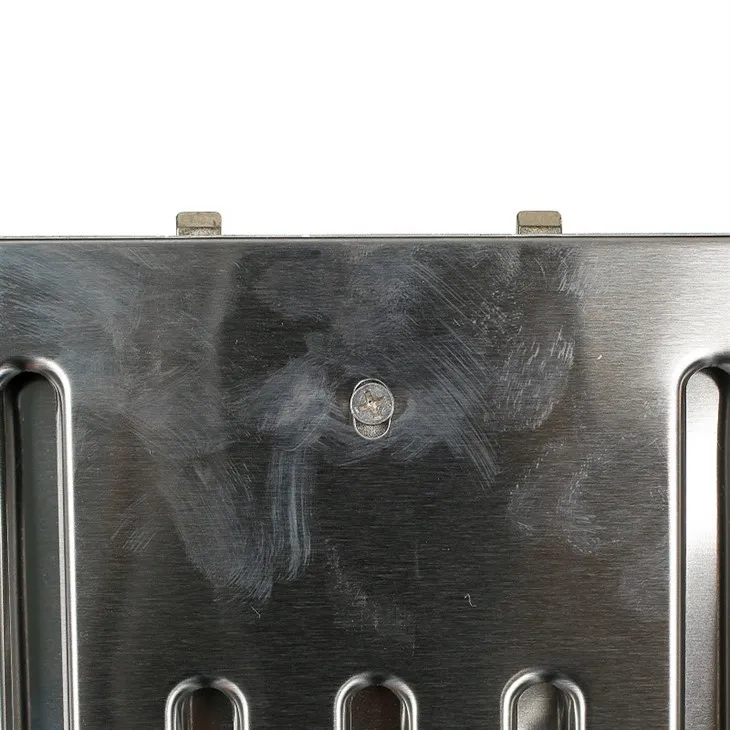
Several factors can affect the surface pitting potential of a stainless steel filter. One of the most important factors is the chemical composition of the stainless steel. Different grades of stainless steel have different amounts of alloying elements. For example, a stainless steel with a higher chromium and molybdenum content generally has a higher pitting resistance and thus a higher surface pitting potential.
The environment in which the filter is used also plays a huge role. Chloride ions are one of the main culprits when it comes to pitting corrosion. They can break down the protective chromium oxide layer, allowing the metal to be exposed to the corrosive environment. So, if your filter is used in a place with high chloride concentrations, like near the ocean or in a chemical plant, the risk of pitting corrosion is higher, and the surface pitting potential might be reached more easily.
The surface finish of the stainless steel filter is another factor. A smooth surface finish can help prevent the accumulation of corrosive substances and reduce the likelihood of pitting. On the other hand, a rough surface can trap chloride ions and other contaminants, increasing the risk of pitting.
As a supplier, we understand the importance of ensuring that our Surface Stainless Steel Filters have a high surface pitting potential. That's why we carefully select the stainless steel grades for our filters. We use high - quality stainless steel with the right balance of alloying elements to maximize pitting resistance.
Our filters come in various types, each designed for different applications. For example, we have the Baffle Filter Range Hood. This type of filter is commonly used in kitchen range hoods. It helps to trap grease and other particles, preventing them from entering the ventilation system. The high surface pitting potential of our baffle filters ensures that they can withstand the harsh kitchen environment, which often contains moisture, grease, and sometimes even small amounts of salt or other corrosive substances.

Another popular option is the Hood Baffle Filter. These filters are similar to the baffle filters for range hoods but are designed specifically for certain types of hoods. They are made with the same high - quality stainless steel, so you can be confident that they will resist pitting corrosion and last a long time.
We also offer stainless mesh air filter. These filters are used in a variety of air filtration systems. Whether it's for industrial air purification or HVAC systems in commercial buildings, our stainless mesh air filters provide excellent filtration performance. And because of their high surface pitting potential, they can handle different environmental conditions without succumbing to pitting corrosion.

To measure the surface pitting potential of our stainless steel filters, we use advanced testing methods. We perform electrochemical tests in a laboratory setting to simulate different environmental conditions. By applying a potential to the filter surface and monitoring the current, we can determine the point at which pitting starts to occur. This allows us to ensure that our filters meet the highest standards of quality and performance.
So, why is all this important to you as a customer? Well, if you're using a stainless steel filter, you want it to last. Pitting corrosion can not only reduce the lifespan of the filter but also affect its performance. A filter with pitted surfaces may not be as effective at trapping particles or may allow contaminants to pass through, which can be a big problem, especially in applications where clean air or fluid is crucial.
If you're in the market for a high - quality stainless steel filter with a high surface pitting potential, look no further. We're here to provide you with the best products and solutions for your filtration needs. Whether you need a filter for your kitchen, industrial facility, or any other application, we've got you covered.
If you're interested in learning more about our products or have any questions about the surface pitting potential of our stainless steel filters, don't hesitate to reach out. We're always happy to have a chat and discuss how we can meet your specific requirements. You can start a conversation with us to explore the perfect filter for your needs and get the ball rolling on a purchase. Let's work together to find the ideal filtration solution for you.
References
- Jones, D. A. (1992). Principles and Prevention of Corrosion. Macmillan Publishing Company.
- Uhlig, H. H., & Revie, R. W. (1985). Corrosion and Corrosion Control: An Introduction to Corrosion Science and Engineering. Wiley - Interscience.