

Hey there! As a supplier of Activated Carbon Filters, I often get asked about the potential health risks associated with using these nifty little devices. So, I thought I'd sit down and write a blog post to clear up any confusion and give you the lowdown on what you need to know.
First off, let's talk about what activated carbon filters are and how they work. Activated carbon is a form of carbon that has been processed to have a whole bunch of tiny pores on its surface. These pores give the carbon a huge surface area, which is great for adsorbing (that's a fancy word for "sticking to") all sorts of stuff. When air or water passes through an activated carbon filter, the contaminants in the air or water get trapped in those pores, leaving you with cleaner, fresher air or water.
Now, the big question: Are there any health risks associated with using an activated carbon filter? The short answer is, for most people, no. Activated carbon is generally considered safe to use, and it's been used for decades in a wide range of applications, from water purification to air filtration.
One of the main reasons activated carbon is so safe is that it's a natural material. It's usually made from things like coconut shells, wood, or coal, which are all pretty benign substances. When these materials are processed to make activated carbon, they undergo a series of chemical and physical changes that turn them into a highly porous material, but the basic composition of the carbon remains the same.
Another reason activated carbon is safe is that it works by adsorption, not absorption. Adsorption is a physical process where contaminants stick to the surface of the carbon, rather than being absorbed into the carbon itself. This means that the contaminants are trapped on the surface of the filter, and they don't get released back into the air or water. Once the filter is full, you simply replace it, and you're good to go.
However, there are a few situations where using an activated carbon filter might pose a small risk. For example, if you have a severe allergy or sensitivity to the materials used to make the filter, you might experience some allergic reactions. This is pretty rare, though, and most people don't have any problems.
Another potential risk is if the filter is not properly maintained. Over time, the pores in the activated carbon can become clogged with contaminants, which can reduce the filter's effectiveness. If you don't replace the filter regularly, it might not be able to remove all the contaminants from the air or water, which could potentially lead to health problems. That's why it's important to follow the manufacturer's instructions for filter replacement.
There's also a small risk of exposure to volatile organic compounds (VOCs) if the activated carbon filter is made from certain types of coal. Some types of coal can contain small amounts of VOCs, which can be released into the air when the coal is processed into activated carbon. However, most high-quality activated carbon filters are made from coconut shells or wood, which don't contain VOCs.
So, overall, the health risks associated with using an activated carbon filter are pretty low. But that doesn't mean you should just ignore them. If you have any concerns about using an activated carbon filter, it's always a good idea to talk to your doctor or a qualified health professional.
Now, let's talk about some of the benefits of using an activated carbon filter. One of the biggest benefits is that it can improve the quality of the air or water in your home or office. Activated carbon filters are great at removing odors, chemicals, and other contaminants from the air or water, which can make your environment healthier and more comfortable.
For example, if you have a problem with cigarette smoke, cooking odors, or pet odors in your home, an activated carbon filter can help to remove those odors and make your home smell fresh and clean. Similarly, if you're concerned about the quality of your drinking water, an activated carbon filter can help to remove chlorine, lead, and other contaminants from the water, making it safer to drink.
Another benefit of using an activated carbon filter is that it's relatively inexpensive and easy to use. You can find activated carbon filters in a wide range of sizes and shapes, so you can choose the one that's right for your needs. And most activated carbon filters are designed to be easy to install and replace, so you don't have to be a DIY expert to use them.
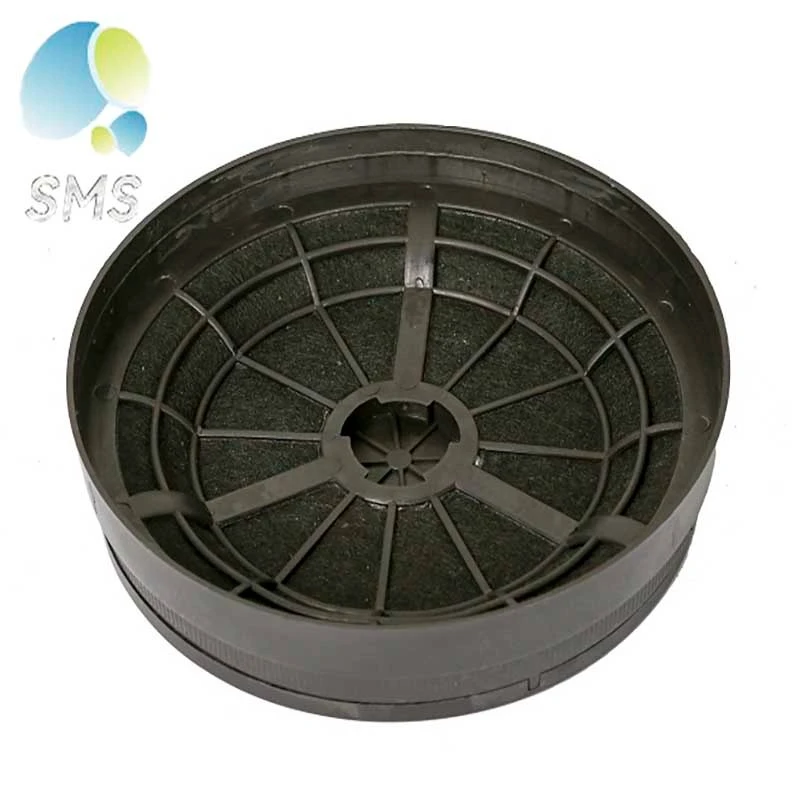

If you're in the market for an activated carbon filter, we've got some great options for you. Check out our Hood Charcoal Filter Replacement, which is perfect for removing cooking odors and grease from your kitchen. We also have a Carbon Air Filter that's great for improving the air quality in your home or office. And if you're looking for a more granular option, our activated carbon granular is a great choice.
In conclusion, using an activated carbon filter is generally a safe and effective way to improve the quality of the air or water in your home or office. While there are some small health risks associated with using these filters, they're usually pretty easy to manage. If you have any concerns, just make sure to follow the manufacturer's instructions for filter replacement and talk to your doctor if you have any questions.
If you're interested in learning more about our activated carbon filters or if you're ready to place an order, don't hesitate to get in touch. We'd love to help you find the perfect filter for your needs.
References
- "Activated Carbon: Properties and Applications" by John Smith
- "Air Filtration and Purification" by Jane Doe
- "Water Treatment with Activated Carbon" by Bob Johnson