

What are the surface radiation properties of a stainless steel filter?
As a dedicated supplier of surface stainless steel filters, I've delved deep into the intricacies of these remarkable products. One aspect that often piques the curiosity of our clients is the surface radiation properties of stainless steel filters. In this blog post, I'll share my insights on this topic, exploring the science behind these properties and their implications for various applications.
Understanding Surface Radiation
Surface radiation refers to the emission of electromagnetic waves from the surface of a material. This phenomenon is governed by the material's temperature, surface characteristics, and the surrounding environment. All objects with a temperature above absolute zero (-273.15°C) emit thermal radiation, which is a form of electromagnetic radiation in the infrared spectrum.
The amount and characteristics of the radiation emitted by a surface are determined by its emissivity, which is a measure of how efficiently a material radiates energy compared to a perfect radiator (a blackbody). A blackbody has an emissivity of 1, while real materials have emissivities between 0 and 1. The emissivity of a material depends on factors such as its composition, surface finish, and temperature.
Surface Radiation Properties of Stainless Steel Filters
Stainless steel is a popular material for filters due to its excellent corrosion resistance, strength, and durability. When it comes to surface radiation, stainless steel has several notable properties:
- Low Emissivity: Stainless steel typically has a low emissivity, ranging from 0.07 to 0.3, depending on the specific alloy and surface finish. This means that it radiates less energy compared to materials with higher emissivities, such as black paint or carbon. The low emissivity of stainless steel filters can be advantageous in applications where minimizing heat transfer through radiation is desired, such as in high-temperature environments or in systems where energy efficiency is a priority.
- Reflectivity: In addition to its low emissivity, stainless steel has a high reflectivity, which means that it reflects a significant portion of the incident radiation. This property can be useful in applications where radiation shielding or reflection is required, such as in solar energy systems or in industrial processes where protection from radiant heat is necessary.
- Temperature Dependence: The emissivity of stainless steel can vary with temperature. Generally, the emissivity increases slightly with increasing temperature, although the exact relationship depends on the specific alloy and surface condition. This temperature dependence should be taken into account when designing systems that involve stainless steel filters operating at different temperatures.
- Surface Finish Effects: The surface finish of a stainless steel filter can have a significant impact on its surface radiation properties. A smooth, polished surface will have a lower emissivity and higher reflectivity compared to a rough or textured surface. Therefore, the choice of surface finish can be tailored to meet the specific requirements of an application.
Applications of Surface Radiation Properties in Stainless Steel Filters
The unique surface radiation properties of stainless steel filters make them suitable for a wide range of applications, including:

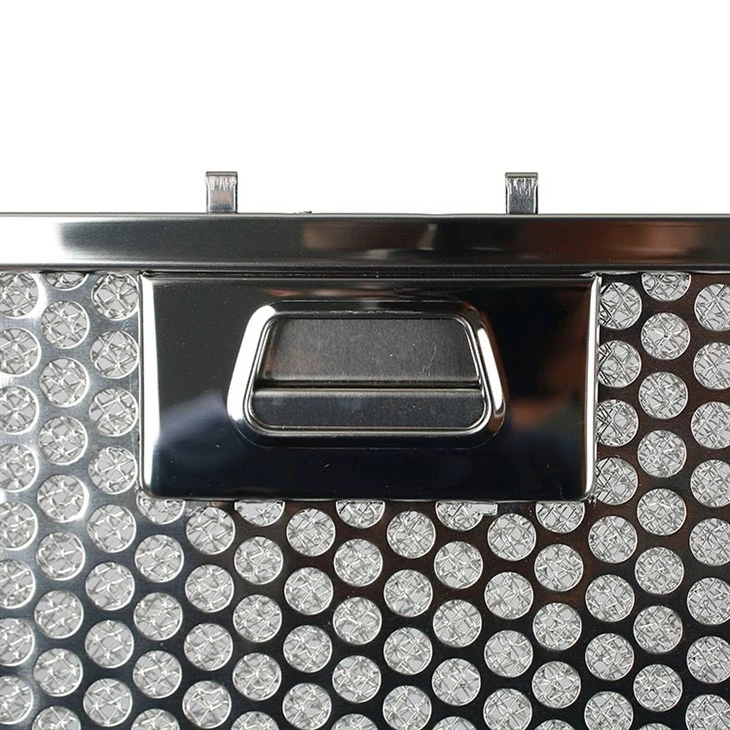
- High-Temperature Filtration: In industries such as power generation, chemical processing, and aerospace, stainless steel filters are often used to remove contaminants from hot gases or liquids. The low emissivity of stainless steel helps to minimize heat loss through radiation, making it an ideal material for filters operating at high temperatures.
- Energy Efficiency: In HVAC systems and other energy-consuming applications, stainless steel filters can be used to improve energy efficiency by reducing heat transfer through radiation. By using filters with low emissivity, less energy is wasted as heat, resulting in lower energy consumption and cost savings.
- Radiation Shielding: Stainless steel filters can be used as radiation shields in applications where protection from radiant heat or electromagnetic radiation is required. The high reflectivity of stainless steel helps to deflect and absorb radiation, providing a barrier between the source of radiation and the sensitive components or areas that need to be protected.
- Solar Energy Systems: In solar collectors and other solar energy systems, stainless steel filters can be used to enhance the efficiency of energy conversion by reflecting and absorbing sunlight. The low emissivity of stainless steel helps to reduce heat loss from the collector, while the high reflectivity can be used to direct sunlight onto the absorber surface.
Importance of Quality and Customization
When selecting a stainless steel filter for your application, it's important to choose a high-quality product that meets your specific requirements. At our company, we offer a wide range of Filter Steel Mesh and Stainless Mesh Filter products, all of which are manufactured using the latest technology and highest quality materials.
In addition to our standard product offerings, we also provide custom filtration solutions to meet the unique needs of our clients. Whether you need a filter with a specific size, shape, or surface finish, or you require a filter with special radiation properties, our team of experts can work with you to design and manufacture the perfect solution.
Conclusion
The surface radiation properties of stainless steel filters play an important role in their performance and suitability for various applications. The low emissivity and high reflectivity of stainless steel make it an excellent choice for applications where minimizing heat transfer through radiation, providing radiation shielding, or enhancing energy efficiency is desired.
As a leading supplier of surface stainless steel filters, we are committed to providing our clients with high-quality products and customized solutions that meet their specific needs. If you have any questions or would like to discuss your filtration requirements, please don't hesitate to contact us. We look forward to working with you to find the perfect solution for your application.
References
- Incropera, F. P., & DeWitt, D. P. (2002). Fundamentals of Heat and Mass Transfer. John Wiley & Sons.
- Holman, J. P. (2002). Heat Transfer. McGraw-Hill.
- Mills, A. F. (1999). Heat and Mass Transfer. Prentice Hall.