

Can stainless steel filter mesh be used in chemical industries? You bet it can! I'm a supplier of Stainless Steel Filter Mesh, and I've seen firsthand how this versatile material can revolutionize filtration processes in the chemical sector.
First off, let's talk about what makes stainless steel filter mesh so great. Stainless steel is known for its exceptional corrosion resistance. In the chemical industry, where substances can be highly corrosive, this is a game - changer. Whether it's acids, alkalis, or other harsh chemicals, stainless steel can stand up to the challenge. It won't rust or degrade easily, which means a longer lifespan for the filter mesh. This durability translates into cost - savings for chemical companies in the long run. They don't have to replace filters as often, reducing both the cost of new filters and the downtime associated with filter replacement.
Another key advantage is its high strength. Stainless steel filter mesh can withstand high pressure and temperature conditions that are common in chemical manufacturing processes. For example, in distillation columns, where high - pressure steam is used to separate different chemical components, the filter mesh needs to be able to handle the force without tearing or deforming. Stainless steel's inherent strength ensures that it can maintain its shape and functionality even under these extreme conditions.
The precision of stainless steel filter mesh is also remarkable. It can be manufactured with very fine openings, allowing for accurate filtration of particles of different sizes. In chemical industries, where the purity of products is crucial, this precision is essential. For instance, when producing pharmaceuticals or high - grade chemicals, even the smallest impurities can affect the quality of the final product. The fine - meshed stainless steel filters can effectively remove these unwanted particles, ensuring that the end - product meets the strict quality standards.
Now, let's get into some specific applications. In the petrochemical industry, stainless steel filter mesh is used to filter crude oil. Crude oil contains various impurities such as sand, sediment, and other solid particles. The filter mesh can separate these impurities from the oil, preventing damage to downstream equipment like pumps and valves. It also helps in improving the quality of the refined products.
In chemical reactors, stainless steel filter mesh is used to separate catalysts from the reaction mixture. Catalysts are often expensive and need to be recovered and reused. The filter mesh can effectively capture the catalyst particles while allowing the reaction products to pass through, enabling efficient catalyst recovery and reducing production costs.

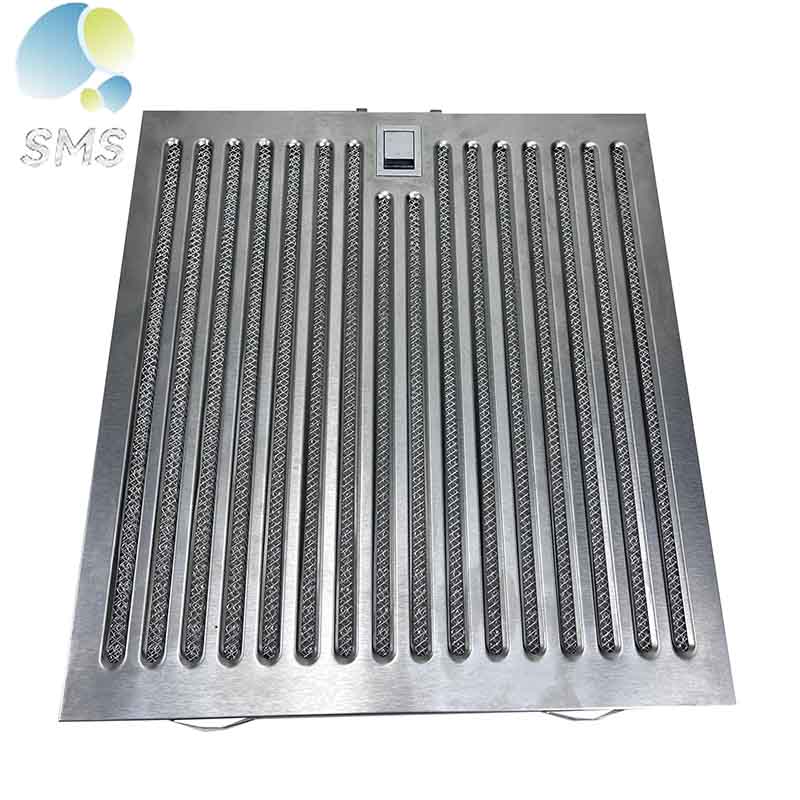
When it comes to the types of stainless steel filter mesh available, there are several options. One popular type is the filter steel. This type of filter steel offers a good balance between strength and filtration precision. It's suitable for a wide range of chemical applications, from general - purpose filtration to more specialized processes.
Another type is the grease baffle filters. Although they are more commonly associated with kitchen range hoods, they also have applications in the chemical industry. In some chemical processes where there are oily or greasy substances, these filters can be used to separate the grease from the rest of the mixture.
The Stainless Mesh Filter is also a top - choice for many chemical companies. It can be customized to have different mesh sizes and configurations, depending on the specific filtration requirements. Whether you need to filter large particles or fine powders, there's a stainless mesh filter that can do the job.
One of the concerns that some chemical companies might have is the cleaning and maintenance of stainless steel filter mesh. The good news is that stainless steel is relatively easy to clean. It can be cleaned using common cleaning agents and methods, such as back - flushing or ultrasonic cleaning. This ease of cleaning helps to keep the filters in good working condition and extends their service life.
However, like any material, stainless steel filter mesh does have some limitations. For extremely aggressive chemicals, there might be a need for specialized coatings or treatments to enhance its corrosion resistance further. Also, in some cases where the filtration requirements are extremely fine, the cost of manufacturing the high - precision filter mesh can be relatively high. But overall, the benefits far outweigh these minor drawbacks.
As a supplier of Stainless Steel Filter Mesh, I've had the pleasure of working with many chemical companies. I've seen how our products have helped them improve their production processes, reduce costs, and enhance the quality of their products. If you're in the chemical industry and looking for a reliable filtration solution, stainless steel filter mesh is definitely worth considering.
If you're interested in learning more about our stainless steel filter mesh products or want to discuss your specific filtration needs, don't hesitate to reach out. We're always happy to have a chat and see how we can help you optimize your filtration processes. Whether it's finding the right type of filter mesh, customizing a solution for your unique requirements, or providing after - sales support, we've got you covered.
In conclusion, stainless steel filter mesh is a valuable asset in the chemical industries. Its corrosion resistance, strength, precision, and versatility make it an ideal choice for a wide range of filtration applications. So, if you're in the chemical business, give stainless steel filter mesh a try and see the difference it can make in your operations.
References:
- General knowledge of stainless steel properties and applications in chemical industries from industry publications and experience in the field.
- Information on specific types of stainless steel filter mesh from internal product research and development data.