

As a trusted supplier of activated carbon filters, I often encounter inquiries from customers about the compatibility of activated carbon filters with other filtration systems. This blog post aims to explore the feasibility and benefits of using activated carbon filters in combination with other filters, drawing on scientific knowledge and practical industry experience.
Understanding Activated Carbon Filters
Activated carbon filters are renowned for their exceptional adsorption capabilities. The activation process creates a vast network of tiny pores on the carbon surface, significantly increasing its surface area. This porous structure allows activated carbon to trap a wide range of contaminants, including volatile organic compounds (VOCs), odors, chlorine, and certain heavy metals. For instance, in air purification, activated carbon can effectively remove unpleasant smells from cooking, smoking, or chemical emissions. In water treatment, it can reduce the taste and odor of chlorine, making the water more palatable.
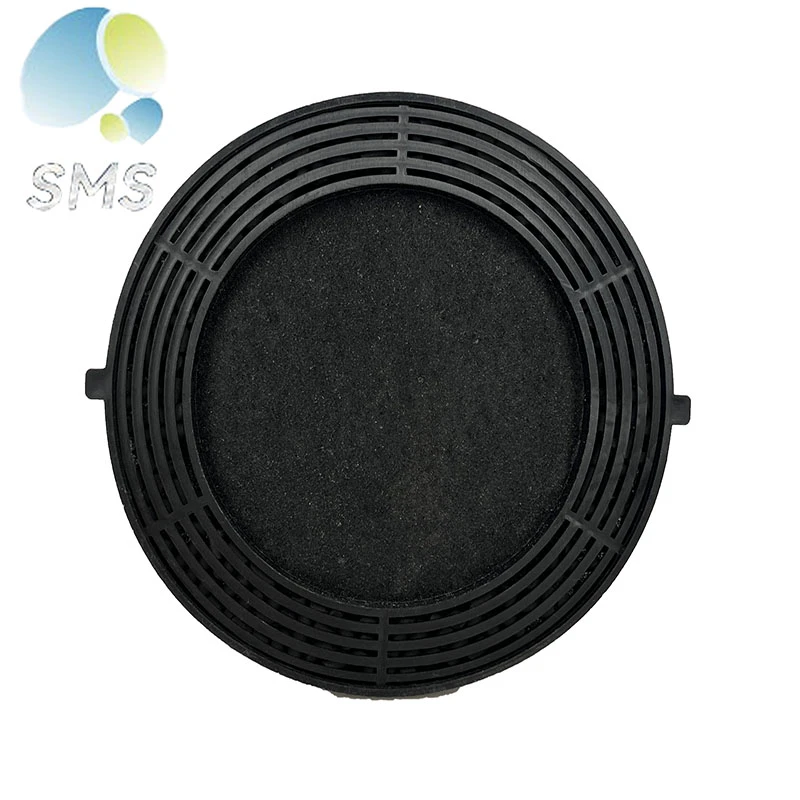
There are different types of activated carbon filters available, such as Charcoal Chimney Filter, which is designed for specific industrial applications, and Carbon Air Filter For Home, tailored for residential use. Each type is engineered to address particular filtration needs.
Combining with Other Filters: The Science
The effectiveness of a filtration system can be significantly enhanced by combining activated carbon filters with other types of filters. Different filters target different contaminants, and by working together, they can provide comprehensive filtration.
With Mechanical Filters
Mechanical filters, such as HEPA (High-Efficiency Particulate Air) filters, are excellent at capturing large particles like dust, pollen, and pet dander. When combined with an activated carbon filter, the mechanical filter first removes the larger particles, preventing them from clogging the activated carbon pores. This allows the activated carbon to focus on adsorbing smaller, gaseous contaminants. For example, in a home air purifier, a HEPA filter can trap visible particles, while the activated carbon filter tackles the invisible odors and VOCs, resulting in cleaner and fresher air.
With Membrane Filters
Membrane filters, such as reverse osmosis (RO) membranes, are used in water treatment to remove dissolved salts, heavy metals, and microorganisms. However, RO membranes can be sensitive to certain organic compounds. By pre - treating the water with an activated carbon filter, the organic contaminants can be removed, protecting the RO membrane and improving its lifespan. Additionally, the activated carbon filter can also remove chlorine, which can damage the RO membrane. In a water purification system, the activated carbon filter first adsorbs the organic matter and chlorine, and then the RO membrane further purifies the water, producing high - quality drinking water.
With Ion Exchange Filters
Ion exchange filters are used to remove specific ions from water, such as calcium and magnesium ions in the process of water softening. Activated carbon filters can be used in conjunction with ion exchange filters to remove organic contaminants that may interfere with the ion exchange process. For example, in a water softening system, the activated carbon filter can remove organic matter and chlorine before the water enters the ion exchange resin, ensuring the efficient operation of the resin and providing better - quality softened water.
Practical Applications
The combination of activated carbon filters with other filters has numerous practical applications in various industries and settings.
In Industrial Settings
In industrial manufacturing, air and water quality are crucial for product quality and worker safety. For example, in a chemical plant, a combination of activated carbon filters and HEPA filters can be used in the ventilation system to remove both chemical fumes (adsorbed by the activated carbon) and particulate matter (trapped by the HEPA filter). In water treatment for industrial processes, activated carbon filters can be combined with RO membranes and ion exchange filters to ensure the water meets the strict quality requirements for manufacturing.

In Residential Settings
In homes, air purifiers and water filtration systems often incorporate multiple filters. A home air purifier may combine a pre - filter (a type of mechanical filter), a HEPA filter, and an activated carbon filter. The pre - filter captures large dust particles, the HEPA filter traps fine particles, and the activated carbon filter removes odors and VOCs. In a water filtration system, a combination of a sediment filter, an activated carbon filter, and a RO membrane can provide clean and safe drinking water for the family.
In Automotive Industry
In automotive cabin air filters, activated carbon filters are often combined with mechanical filters. The mechanical filter removes dust, pollen, and other particulate matter from the outside air, while the activated carbon filter adsorbs exhaust fumes, odors, and VOCs, providing a more comfortable and healthy driving environment.
Advantages of Combining Filters
- Comprehensive Filtration: By using different types of filters together, a wider range of contaminants can be removed, providing a more thorough purification of air or water.
- Increased Efficiency: Each filter can perform its specific function without being overloaded by contaminants that are better removed by another filter. This can extend the lifespan of the filters and reduce the frequency of filter replacements.
- Enhanced Performance: The combination of filters can improve the overall performance of the filtration system, resulting in better - quality air or water. For example, in a water purification system, the combination of activated carbon and RO membranes can produce water with a lower level of contaminants than either filter alone.
Considerations When Combining Filters
While combining activated carbon filters with other filters offers many benefits, there are some considerations to keep in mind.
- Flow Rate: The flow rate of the filtration system needs to be carefully considered. If the flow rate is too high, the activated carbon may not have enough time to adsorb the contaminants effectively. On the other hand, if the flow rate is too low, it may affect the overall efficiency of the system.
- Filter Compatibility: Not all filters are compatible with each other. For example, some chemicals used in certain filters may react with the activated carbon, reducing its effectiveness. It is important to choose filters that are designed to work together.
- Maintenance: Each filter has its own maintenance requirements. When combining filters, the maintenance schedule needs to be carefully planned to ensure the continued performance of the entire filtration system.
Conclusion
In conclusion, an activated carbon filter can indeed be effectively used in combination with other filters. The combination offers numerous advantages, including comprehensive filtration, increased efficiency, and enhanced performance. Whether in industrial, residential, or automotive applications, the synergy between activated carbon filters and other filters can provide cleaner air and water.
As a supplier of activated carbon filters, I am committed to providing high - quality products and technical support to help you design the most suitable filtration system for your needs. If you are interested in learning more about our charcoal air filter or other activated carbon filter products, or if you have any questions about combining filters, please feel free to contact us for procurement and further discussions. We look forward to working with you to achieve your filtration goals.
References
- "Filtration Principles and Practices" by Larry K. Wang and Norman C. Chang
- "Air Quality Engineering: Physical and Chemical Fundamentals" by John H. Seinfeld and Spyros N. Pandis
- "Water Treatment Unit Processes: Physical and Chemical" by G. David Jameson