

How often should I clean my kitchen hood filter?
As a supplier of kitchen hood filters, I often get asked about the ideal cleaning frequency for these essential kitchen components. A clean kitchen hood filter is crucial for maintaining good air quality in your kitchen, ensuring the efficient operation of your range hood, and prolonging the lifespan of your appliance. In this blog post, I'll share some insights on how often you should clean your kitchen hood filter based on various factors.
Factors Affecting Cleaning Frequency
-
Cooking Habits
The frequency of your cooking and the types of food you prepare play a significant role in determining how often you need to clean your kitchen hood filter. If you cook on a daily basis, especially if your cooking involves a lot of frying, grilling, or deep - frying, your filter will accumulate grease and debris much faster. These high - heat cooking methods release a large amount of oil and smoke into the air, which gets trapped in the filter. On the other hand, if you cook only occasionally or mainly use methods like steaming or boiling, your filter may not need to be cleaned as frequently. -
Size of the Kitchen and Ventilation
The size of your kitchen and the effectiveness of its ventilation system also impact the cleaning frequency. In a small kitchen with limited ventilation, the air circulation is not as efficient. As a result, more grease and smoke will be trapped in the filter. A larger kitchen with a well - designed ventilation system can disperse the cooking fumes better, reducing the amount of residue on the filter. However, if your ventilation system is not working properly, the filter will get dirty more quickly regardless of the kitchen size. -
Type of Filter
There are different types of kitchen hood filters available in the market, such as Kitchen Hood Filter Mesh, kitchen cooker hood filter, and Kitchen Hood Extractor Filter. Each type has its own characteristics and filtration capabilities. For example, a mesh filter is more porous and may trap grease more effectively, but it can also get clogged faster. A baffle filter, on the other hand, is designed to channel the grease to a collection cup, which may require less frequent cleaning of the filter itself.
General Cleaning Guidelines
-
Light Users
If you cook less than three times a week and mainly use low - fat cooking methods, you can clean your kitchen hood filter once every two to three months. This allows for a reasonable amount of grease and debris to accumulate without affecting the performance of the filter too much. -
Moderate Users
For those who cook three to five times a week with a mix of cooking methods, including some frying or grilling, it is recommended to clean the filter once a month. Regular monthly cleaning helps to maintain the efficiency of the range hood and prevents the build - up of excessive grease, which can be a fire hazard. -
Heavy Users
If you cook on a daily basis, especially with a lot of high - fat cooking methods like deep - frying, you should clean your kitchen hood filter at least once every two weeks. Heavy cooking releases a large amount of grease and smoke, and frequent cleaning is necessary to keep the filter functioning properly and to prevent the spread of unpleasant odors in the kitchen.
Signs That Your Filter Needs Cleaning
In addition to following the general guidelines based on your cooking habits, there are some signs that indicate your kitchen hood filter needs immediate cleaning:
-
Reduced Airflow
If you notice that the suction power of your range hood has decreased, it could be a sign that the filter is clogged with grease and debris. A clogged filter restricts the airflow, making it difficult for the range hood to effectively remove the cooking fumes from the kitchen.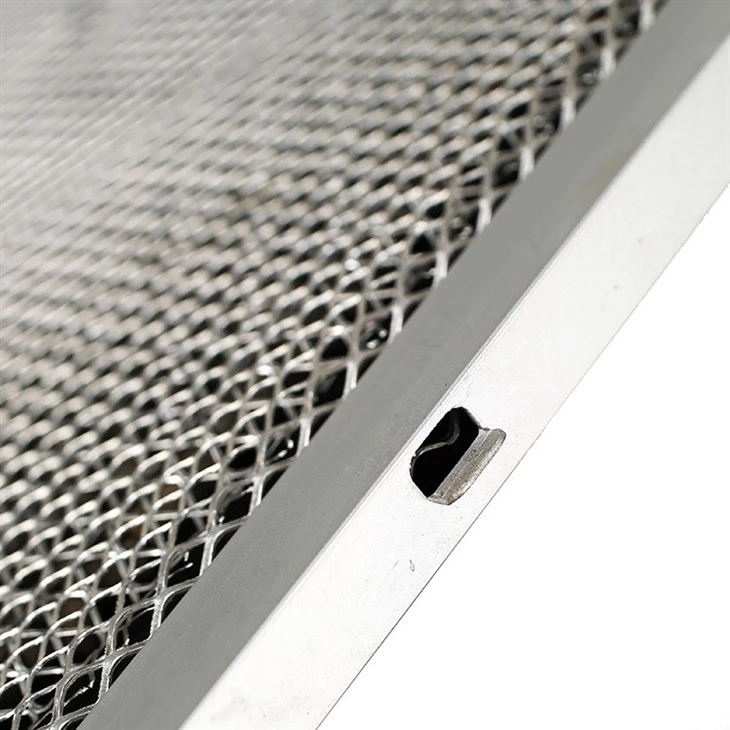

-
Visible Grease Build - up
When you can see a thick layer of grease on the filter, it's definitely time to clean it. Grease not only looks unappealing but can also drip onto your stovetop or food if left unattended. -
Unpleasant Odors
If there are persistent unpleasant odors in your kitchen even when you are not cooking, it may be due to a dirty filter. The trapped grease and food particles can start to smell over time, and cleaning the filter can help to eliminate these odors.
How to Clean Your Kitchen Hood Filter
Cleaning your kitchen hood filter is a relatively simple process. Here are the general steps:
-
Remove the Filter
Most filters can be easily removed from the range hood. Refer to your range hood's user manual for specific instructions on how to remove the filter safely. -
Soak the Filter
Fill a sink or a large container with hot, soapy water. You can use a degreaser or a mild dish soap. Submerge the filter in the water and let it soak for at least 30 minutes to loosen the grease. -
Scrub the Filter
After soaking, use a soft brush or a sponge to gently scrub the filter. Pay special attention to the areas with heavy grease build - up. Rinse the filter thoroughly with clean water to remove all the soap and debris. -
Dry the Filter
Allow the filter to air dry completely before reinstalling it in the range hood. Make sure it is completely dry to prevent any water damage to the range hood.
Importance of Regular Filter Cleaning
Regularly cleaning your kitchen hood filter offers several benefits:
-
Improved Air Quality
A clean filter can effectively trap the grease, smoke, and other pollutants released during cooking, improving the air quality in your kitchen. This is especially important for people with respiratory problems or allergies. -
Enhanced Range Hood Performance
When the filter is clean, the range hood can operate at its optimal efficiency. It can suck in more cooking fumes and expel them outside, reducing the amount of residue left in the kitchen. -
Fire Prevention
Grease is highly flammable, and a dirty filter with a thick layer of grease can be a significant fire hazard. Regular cleaning helps to prevent the build - up of excessive grease and reduces the risk of a kitchen fire. -
Longer Lifespan of the Range Hood
By keeping the filter clean, you can also extend the lifespan of your range hood. A clogged filter can put extra strain on the motor of the range hood, leading to premature wear and tear.
Conclusion
As a supplier of Kitchen Hood Filter Mesh, kitchen cooker hood filter, and Kitchen Hood Extractor Filter, I understand the importance of maintaining clean filters for a healthy and efficient kitchen. The frequency of cleaning your kitchen hood filter depends on your cooking habits, the size of your kitchen, and the type of filter you have. By following the general guidelines and paying attention to the signs that indicate a dirty filter, you can ensure that your range hood operates at its best.
If you are interested in purchasing high - quality kitchen hood filters or have any questions about filter maintenance, please feel free to contact us for more information and to discuss your specific needs. We are committed to providing you with the best products and services to meet your kitchen ventilation requirements.
References
- "Kitchen Ventilation: A Guide to Proper Installation and Maintenance." U.S. Department of Energy.
- "Range Hood Filters: Types, Cleaning, and Replacement." Home Improvement Magazine.